You do life-changing work. Then a grant application squeezes it into character limits, budget tables and logic models, and reviewers read it alongside every other application in the stack. A short video puts your people in front of the funder, so your grant application is felt, not just read. It's the secret weapon your grant writer has been missing.
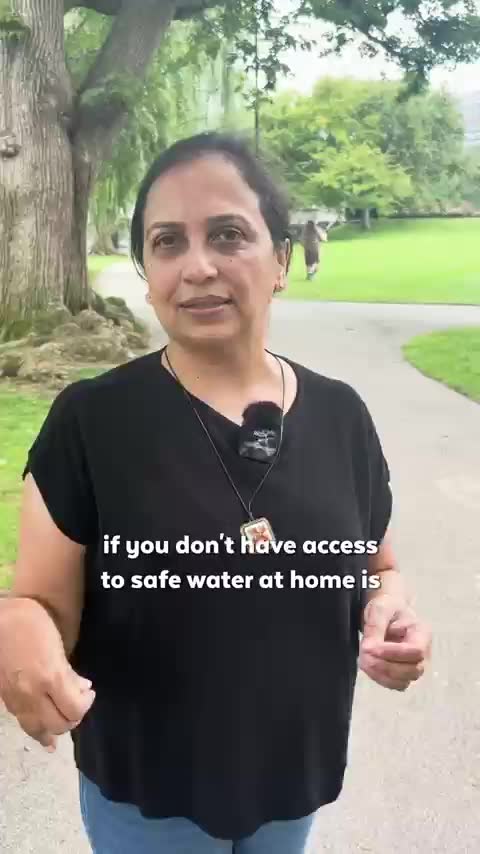
The grant application shown is an illustration.





Sound familiar?
Funders say they want your story. Paper makes it hard to tell. Video makes it impossible to ignore.
Dear applicant,
Thank you for submitting your proposal. We received many strong applications this cycle and are unable to fund your request at this time.
We encourage you to apply in a future cycle.
The Grants Committee
What funders and researchers say about video.
Reviewers remember video. Volkswagen Foundation reviewers found video easier to digest than written proposals, and remembered it far better.
It shows what paper can't. Grant judges at the MacArthur Foundation said applicants' videos gave them context that wasn't always apparent from the written application.
Hearing beats reading. People who hear a pitch rate the speaker as more capable than those who read the same words.
Video moves money. Kickstarter projects with a video were 38% more likely to reach their funding goal.
Funders are asking for it. Some major foundations now ask applicants for a short video with the grant application.
The narrative makes the case. The video makes the funder care.
Every grant application in the stack has a narrative and a budget. Yours also has your people, making the case in their own voices.
Character limits cut your story short. Video carries the passion, the proof and the faces that don't fit in the boxes.
When the review committee meets, reviewers remember what they saw and heard. Your program is the one they can picture.
Your program officer meets your team before they ever walk through your door.
The request takes about a minute. The call is free and takes 15 minutes.
One video, more shots at funding. It goes in your grant application, then keeps making your case long after the deadline.
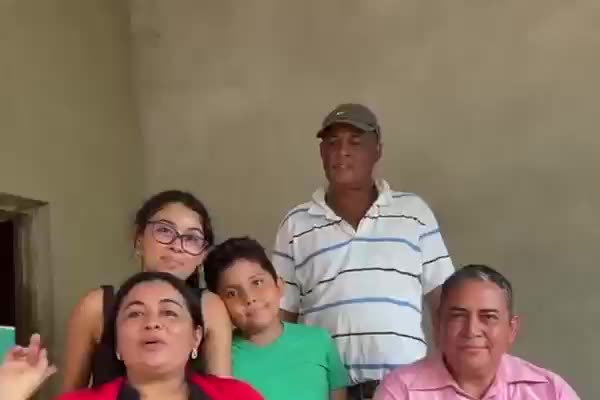
Send it ahead, so they arrive already knowing your people.
When they ask what you do, show them.
Give them a story they can actually retell.
Show visitors the impact instead of describing it.
Remind the funder why they said yes.
Give your year-end appeal a face and a voice.
Juggling several grant applications? One shoot can cover all of them, each version cut to that funder's guidelines.
Funders fund people. Your video puts yours front and center: the leader with the vision, the staff who make it happen and the people whose lives have changed.
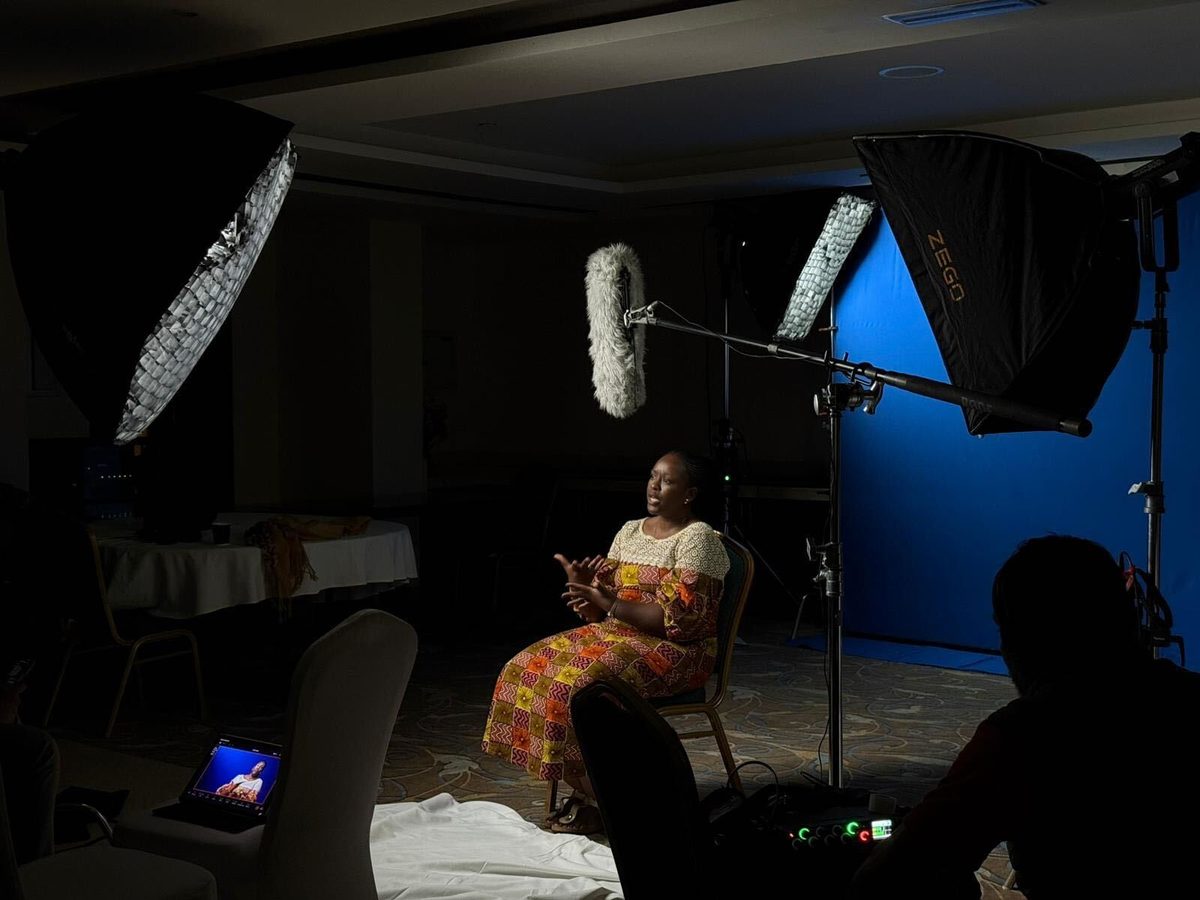
Why the work matters and what this grant makes possible, in their own words.
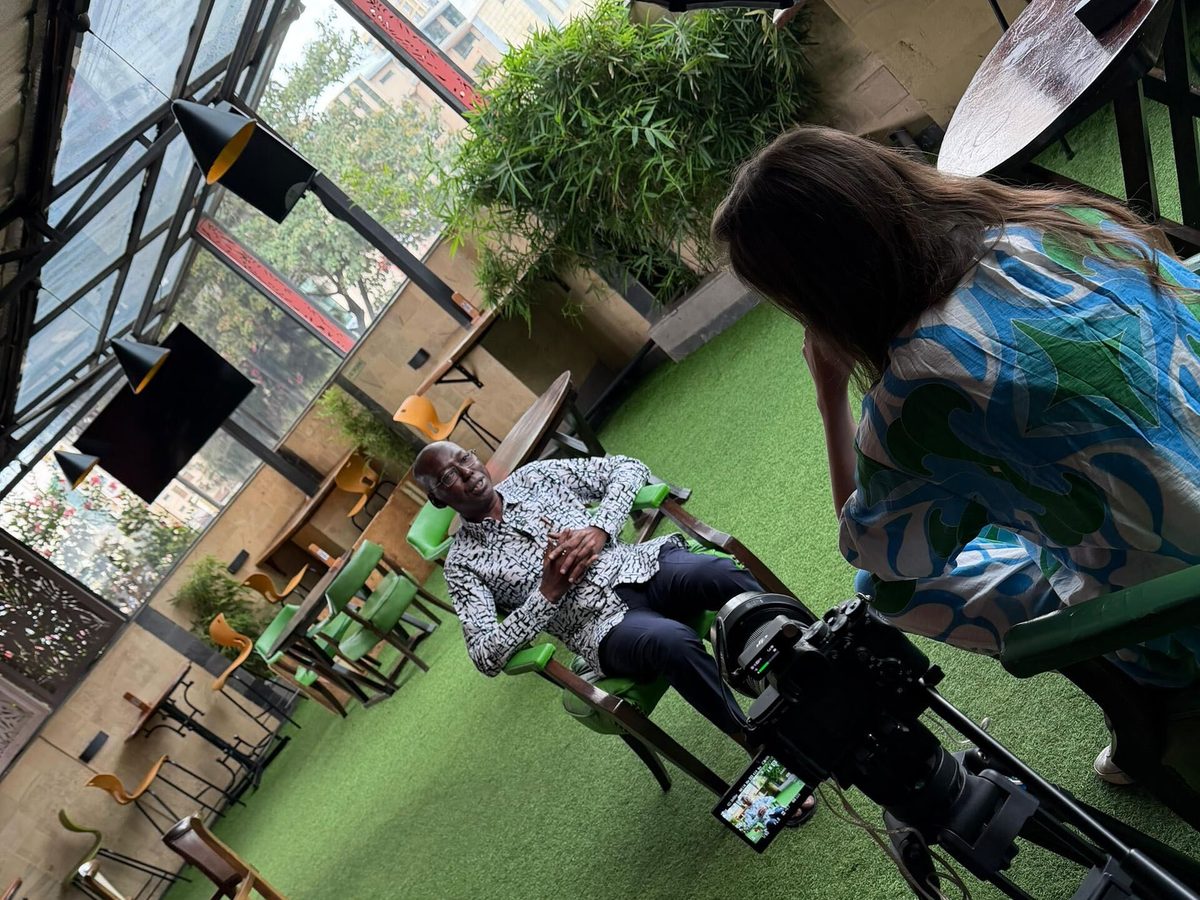
What actually happens on a Tuesday, and why it works.
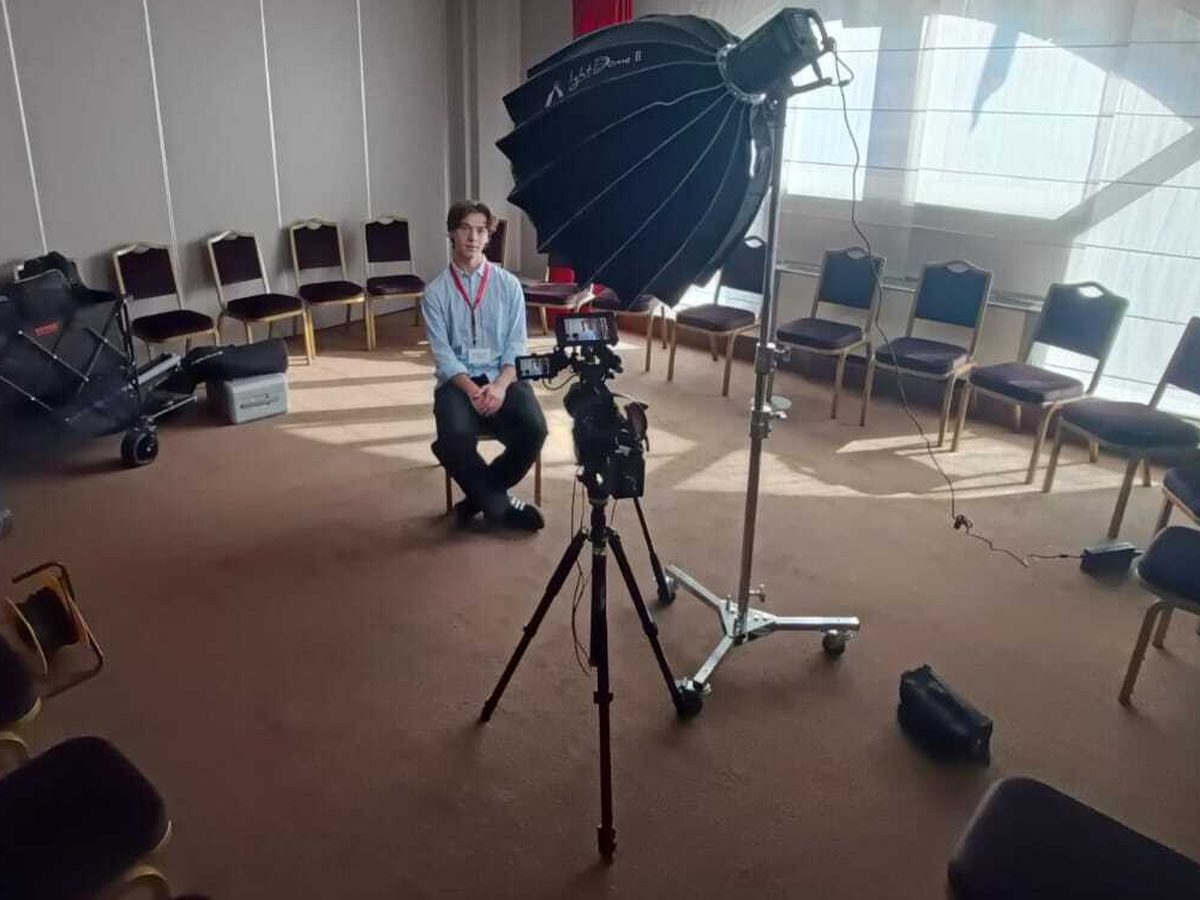
The part a written narrative can't carry: a real person, on camera, in their own words.
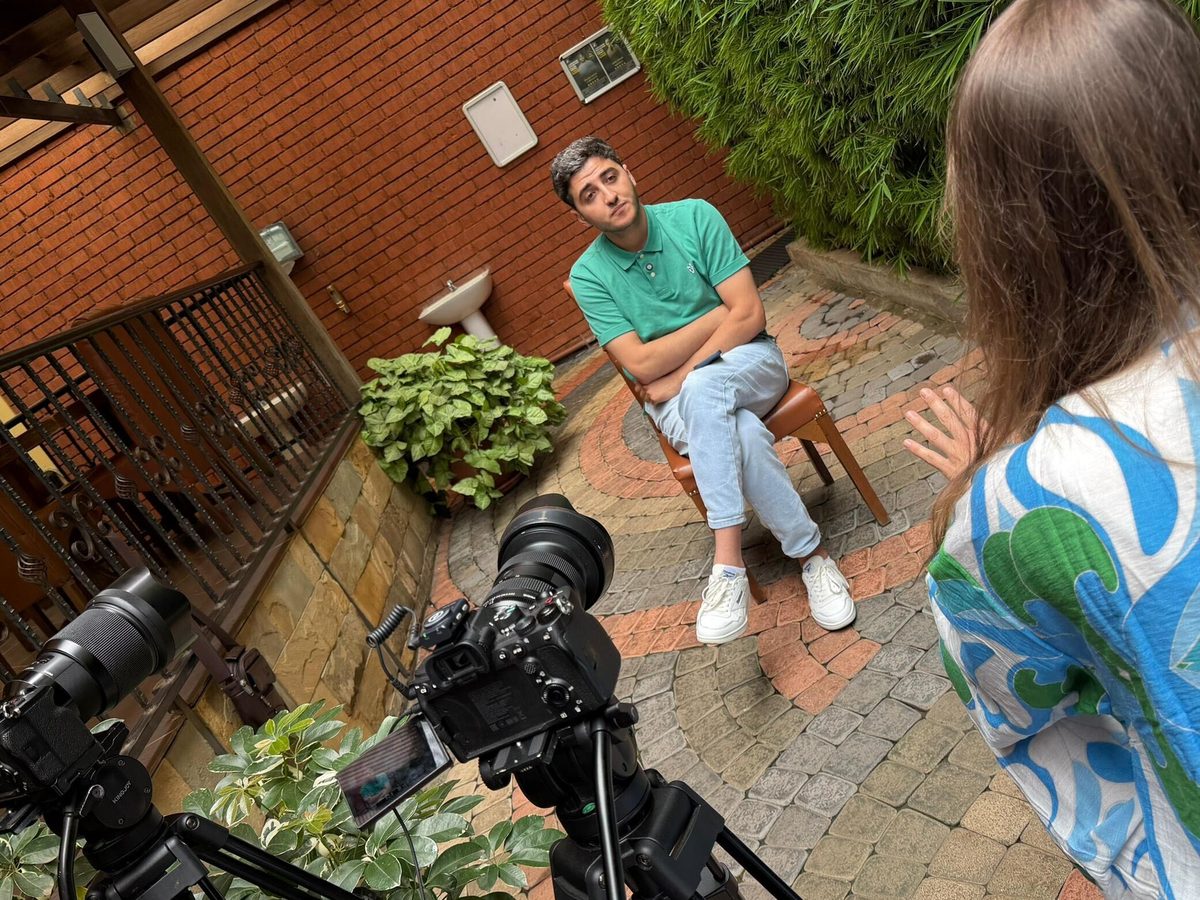
Who else stands behind this work, and why.
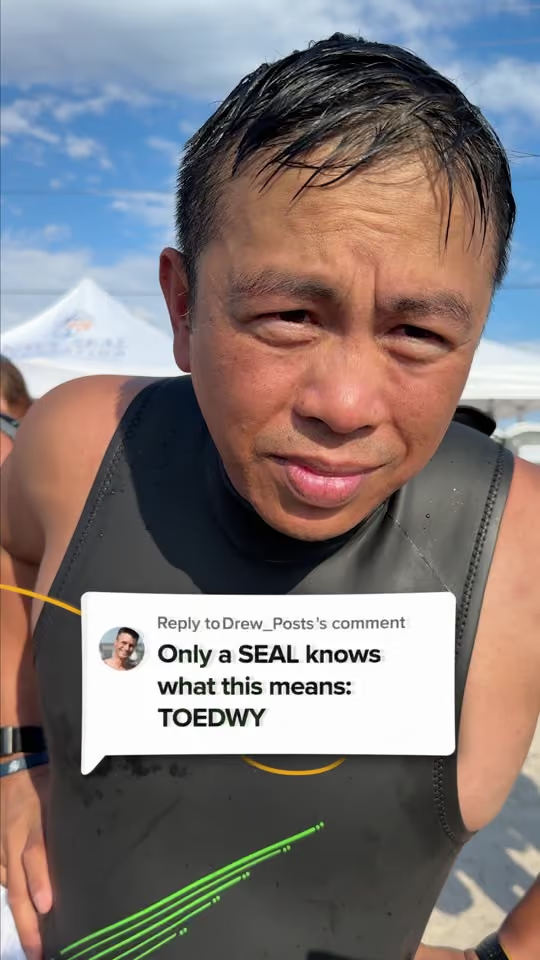
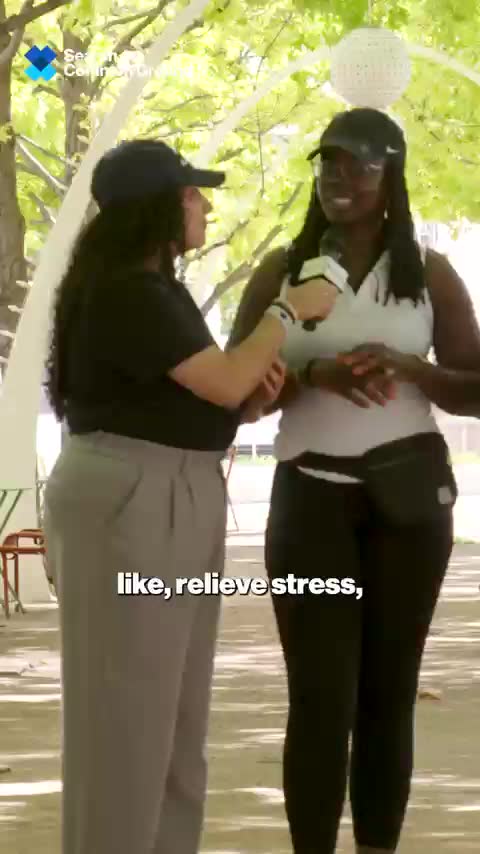
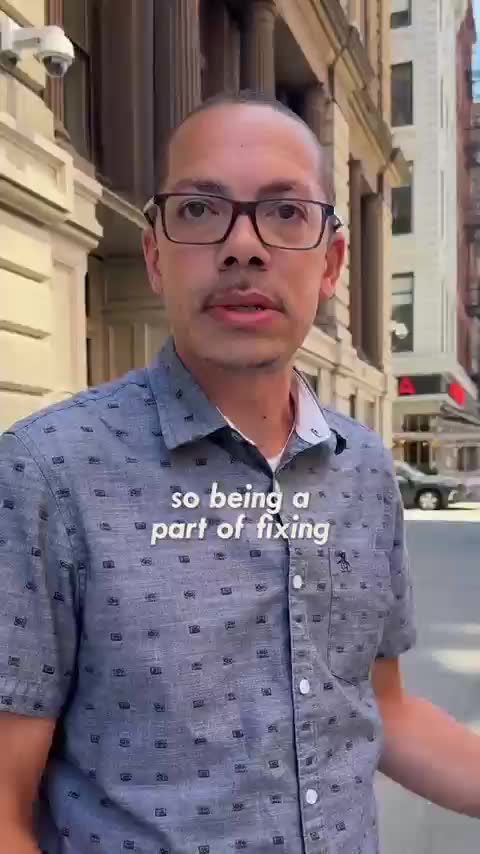
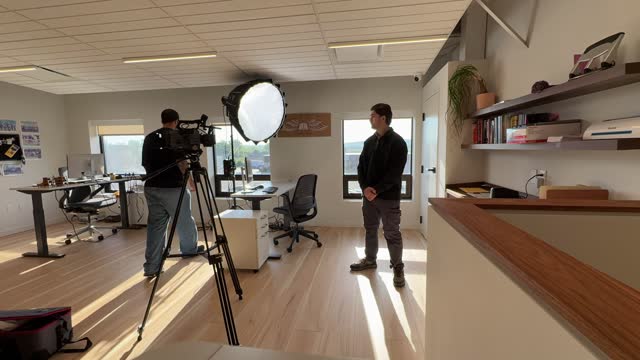
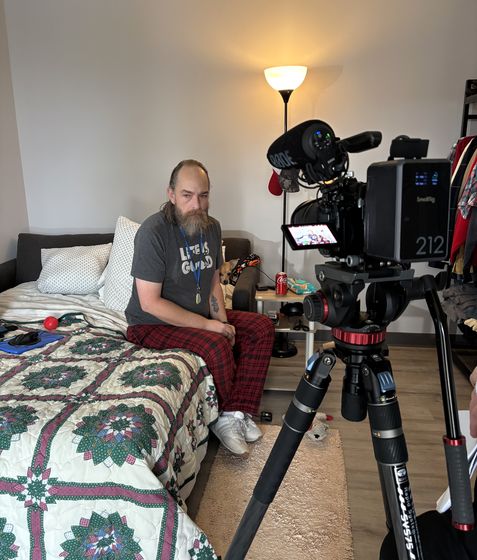
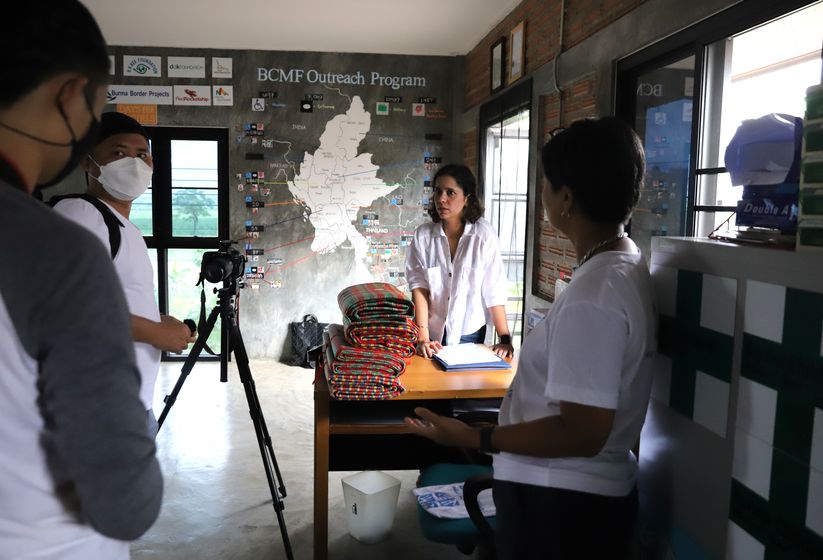
Behind the scenes on recent Happy Productions shoots.
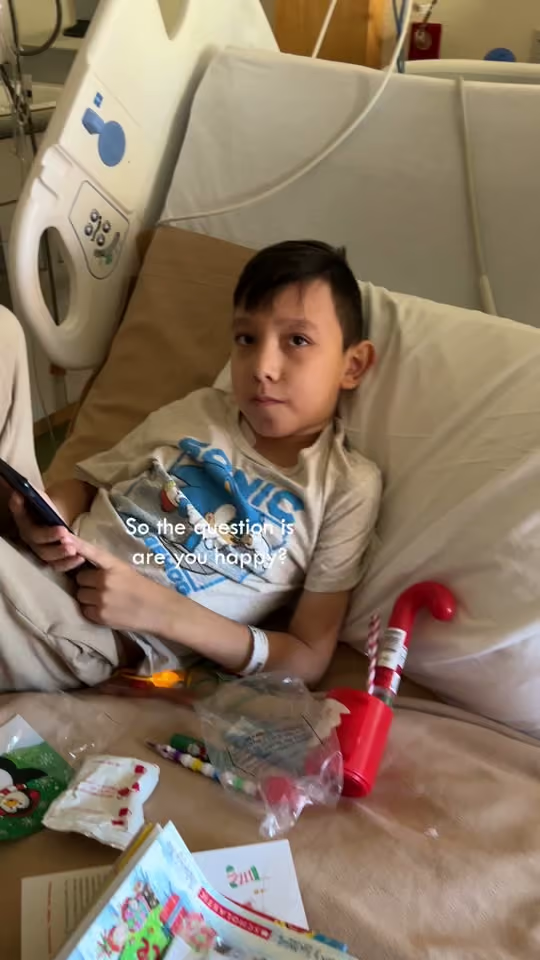
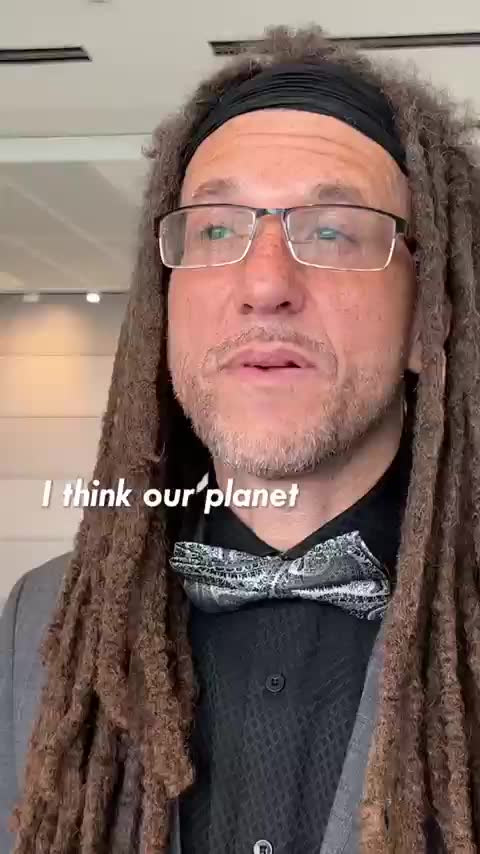
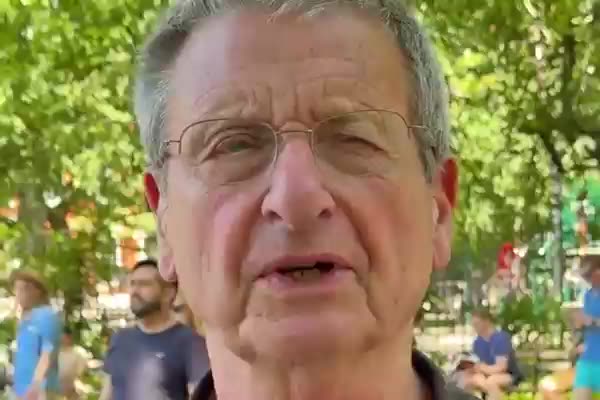
Real videos we've made for nonprofits
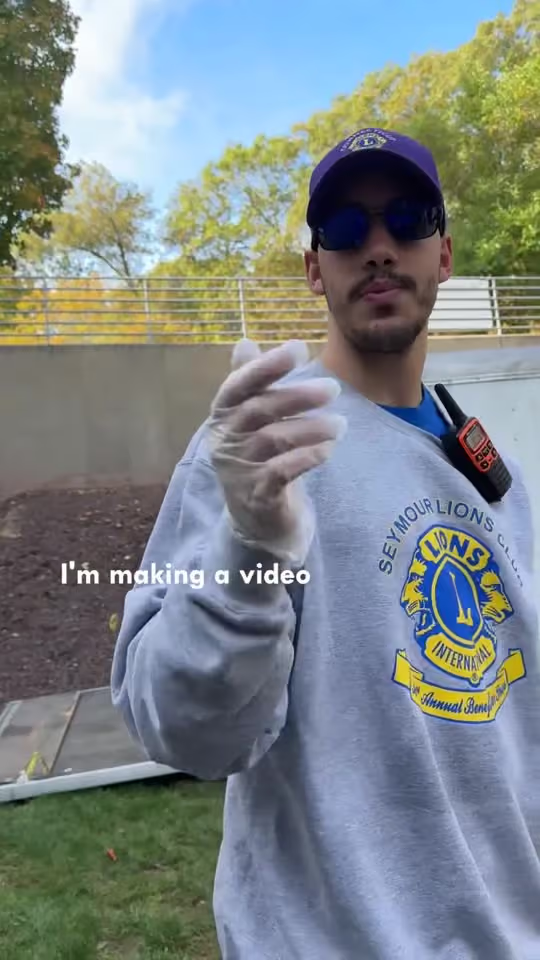
The team behind videos for Heifer, Lions Clubs and Children’s Miracle Network makes yours.
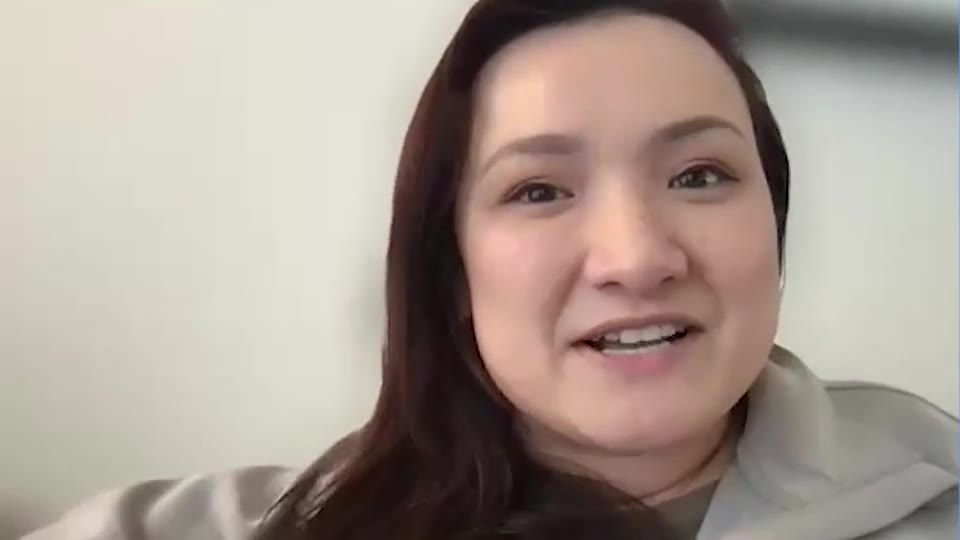
“If you need a production team that understands nonprofit storytelling, digital trends and the importance of impact-driven content, I can’t recommend them highly enough.”
“Just having someone take this critical task off — doing videos for you — is well worth what you spend. We ended up getting a huge number of videos to work with that we just wouldn’t have had the time or the energy or the expertise to do.”
“We have received more donations today than we have all month since posting Amber’s video!”
“I would just tell someone that you’re worth the investment and they should definitely hire you, because I will do it again for sure.”
Yes. It gives reviewers what paper can't: your people, in their own voices. Grant judges have said applicants' videos gave them context that wasn't always apparent from the written application. Volkswagen Foundation reviewers found video easier to digest and were much better able to recall it. And people rate a speaker as more capable when they hear them than when they read the same words.
It still works hard for you: at the site visit, on the program officer call, with your board, on your website and in next year's renewal. When the guidelines allow a link or a supplemental file, it goes in the grant application too.
Whatever the funder's guidelines specify. If they don't set a length, we'll recommend the right one for your story on the call.
The people behind the work: your executive director for the why, a program lead for the how, and someone you serve for the proof. A partner or board member is a bonus.
No. We produce it from scratch, on site with our crew or remotely over a video call. If you already have footage, we can work that in too.
Tell us your application deadline when you request your video. We plan the script, the shoot and the edit backwards from that date, and you'll have the schedule on the 15-minute call.
Every grant video is quoted to the project: where we film, who's on camera and what the funder's guidelines require. You'll get a clear quote on the 15-minute call, and one shoot can cover several grant applications.
Yes. It's yours to use anywhere: the grant application, the site visit, your website, the annual report.
It's built for 501(c)(3)s, foundations and NGOs. If you're a business, street interviews are the better fit.
Your next deadline is coming. Give your grant application something paper can't: your people, on screen, making the case.
For 501(c)(3)s, foundations and NGOs · on site or remote · quoted on the call
P.S. Your next grant application will sit in the same stack as everyone else's. A short video is how reviewers remember yours.
Two details to start. The whole request takes about a minute.
Rough answers are fine. We'll go deeper on the call.