The Mental Health Association of Nebraska is a 25-year-old peer-support nonprofit with roughly 80 staff running 13 programs across Lincoln and Omaha, including reentry support for people leaving incarceration, crisis alternatives and housing. Much of its staff has lived experience of the services it provides.
Awareness, consistency and content that could actually move donations — fast. MHA described themselves as the best kept secret in Lincoln, with no reliable content library, two competing Instagram accounts, an unused LinkedIn page and no TikTok. Mental Health Awareness Month and their 25th anniversary were landing in the same window, and their Give to Lincoln Day ranking had been sitting around 800–900 out of 1,000.
We anchored everything on peer-led storytelling and banned clinical language from every brief. One two-day shoot covered the 25th anniversary event in Lincoln, then morning programs in Lincoln and reentry and HOPE-CARES in Omaha, plus the historic Terrapin House — roughly 40 interviews and a full B-roll library in 48 hours. Deliverables were timed to the calendar that mattered: a donor sizzle engineered to drive May giving during Give to Lincoln Month, a 25th-anniversary highlight reel, Stories of Hope testimonials, program spotlights and per-person shorts, all in vertical and horizontal. We also cleaned up the funnel underneath — consolidating Instagram, launching TikTok, adding donation buttons — and placed content on the Are You Happy network.
Give to Lincoln Month brought in roughly $4,000 in online donations, matched to about $8,000, and MHA's marketing lead credited specific video posts directly for the spikes. A distribution channel opened that nobody pitched: the Nebraska Department of Corrections asked MHA for a video to play inside facilities so incarcerated individuals could learn how MHA supports reentry — which doubles as material for their grant narratives. The engagement has since expanded, with further filming days booked and org-wide content ideas routed to us under an unlimited-edits model.
The Mental Health Association of Nebraska has 25 years of outcomes and roughly 80 staff running 13 programs across Lincoln and Omaha. What they did not have was a story engine. Their own description of their brand awareness: “the best kept secret in Lincoln.” Straight off their intake form: “We don't have a lot of content to use. We lack consistency.”
Two competing Instagram accounts, one of them abandoned. An unused LinkedIn page. No TikTok. And two of the biggest moments of their year — Mental Health Awareness Month and their 25th anniversary — landing in the same window.
We built the strategy around the one thing MHA cannot be copied on: peer-led, lived-experience storytelling. Many of their staff were once served by the organization themselves, so every brief banned clinical language and led with real people telling their own stories of hope.
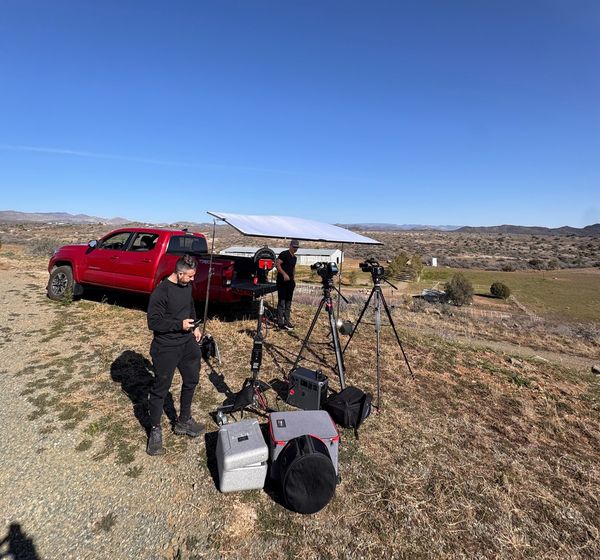
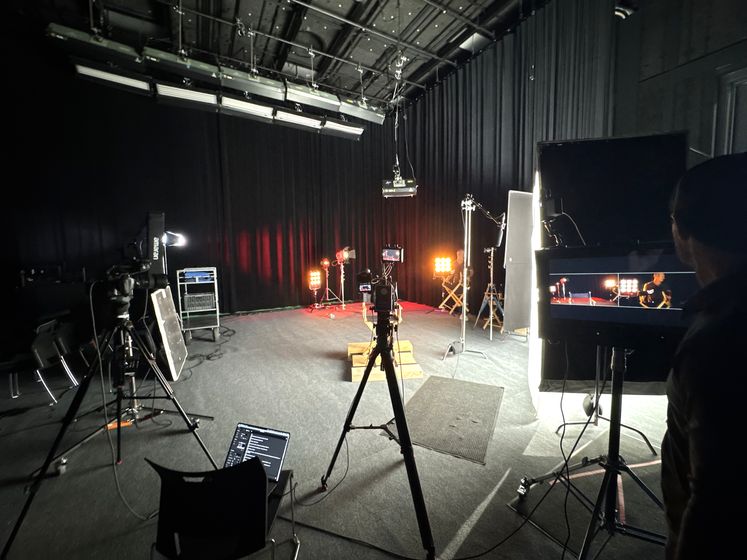
One two-day shoot did the whole job. Day one captured the 25th anniversary event in Lincoln. Day two ran morning programs in Lincoln, then drove to Omaha for reentry and HOPE-CARES and the historic Terrapin House. Roughly 40 interviews and a full B-roll library in 48 hours, cut into a 25th-anniversary highlight reel, Stories of Hope testimonials, program spotlights, an Omaha Manor history piece and per-person story shorts — every one delivered in both vertical and horizontal.
Then the posts went up during Give to Lincoln Month, and the donations followed. Their marketing lead wrote to us mid-campaign: “We have received more donations today than we have all month since posting Amber's video!”
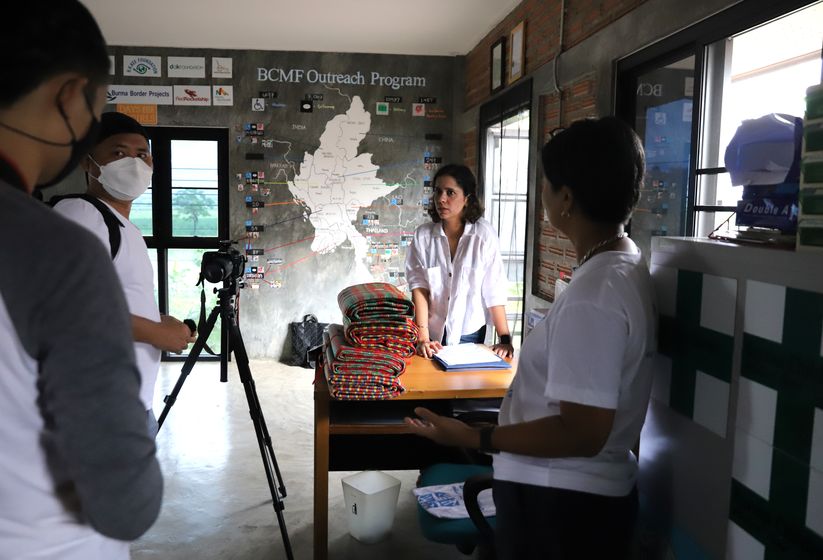
The people who commissioned this campaign, on camera and unscripted.
Screens from the feeds this work was made for.
Answer four questions and we'll email you the plan that fits — what we'd film for your programs, how often, and how that compares to an agency or a full-time hire. No sales call required.