Nonprofit Video Production in Washington, DC: 2026 Guide to Choosing an Agency, Costs and Examples
Nonprofit video production in Washington, DC: how to choose an agency, what it costs, real DC examples and how advocacy groups use video.
The best nonprofit video production partner in Washington, DC makes video that works for two audiences at once: the donors and members who fund you, and the policymakers, coalition partners and press you exist to persuade. In practice that means documentary-style stories told by real people, cut into a 2–3 minute film for a gala or briefing, 30–60 second clips for social, and short edits for Hill meetings and funder updates. Happy Productions makes that kind of video for DC nonprofits, associations, foundations and NGOs across the District, Maryland's Montgomery and Prince George's counties and Northern Virginia. Our Monthly Partnership is $995 a month with no contract, and your first session and video are free.
Key facts: nonprofit video in Washington, DC
- Nonprofits are a quarter of DC's workforce. DC nonprofits employed 134,591 people as of 2016, about 26% of the District's workforce, and DC had 12,367 nonprofits in 2013 (Independent Sector).
- The region has the country's first state nonprofit association. The Center for Nonprofit Advancement, founded in 1979, serves DC, Prince George's and Montgomery counties and Virginia.
- Local funding is shifting. The Meyer Foundation is renewing current grantees only in 2026 and not taking new applications, so video that strengthens your case with other funders matters more this year.
- The largest local funder. The Greater Washington Community Foundation, founded in 1973, describes itself as the region's largest local funder, with more than $1.2 billion invested.
- Key date. GivingTuesday 2026 is December 1 (GivingTuesday).
- Cost. $995/month gets one directed video session a month, unlimited edits, captions and every platform size, and you own every file. The first session and video are free.
How to choose a DC video production agency for your nonprofit
When nonprofit leaders ask which DC video agencies are best for nonprofit clients, the honest answer depends on what you need the video to do. Use these five questions to compare any partner, including us:
- Do they have nonprofit case studies with results? Ask for views, reach or dollars raised, not just a reel. Our case studies list numbers for every project.
- Can they make policy-grade video? DC work often has to hold up in a briefing room. Ask whether they've made films for legislators or agency audiences.
- Do they deliver a library, or one file? One shoot should produce a hero film, social cuts, a donor thank-you and clips for reports.
- Is pricing published? Per-project quotes make video a once-a-year event. A flat monthly price lets you keep a steady flow of stories.
- Who owns the footage? You should own every file, outright.
For a broader comparison, see our guide to the best nonprofit video production companies.
What DC nonprofits use video for
- Advocacy and policy films. Short documentaries that put affected people in front of decision-makers. Our seven-minute documentary for a state commission on Medicaid cuts opened a policy forum for legislators and produced 20 short cuts from the same shoot.
- Gala and event films. A premiere for the room that becomes your case for support all year. See our gala recap video guide.
- Member and association content. Conference coverage and member stories, cut for email, LinkedIn and social. See our nonprofit event video guide.
- Grant and funder videos. Films that give program officers a site visit on screen. See grant video production.
- Year-end and GivingTuesday appeals. One story, released through December. See our year-end appeal video guide.
DC nonprofit video examples
DC Central Kitchen: "Fighting Hunger Differently"
An organization overview produced by Run Riot Films and featured in DC Central Kitchen's media kit. Watch on YouTube.
Why it works: it explains how the organization works, not just why it is needed. One overview film gives press, partners and donors the same clear story, and it can sit in a media kit for years.
Martha's Table: "Where strangers become neighbors"
A mission and community-story video featured on the organization's site. Watch on YouTube.
Why it works: it leads with belonging rather than need. That framing invites neighbors to join, which is exactly what a community-rooted organization wants from a video.
More by format: nonprofit video examples and best fundraising video examples.
Work we've done for advocacy and policy organizations
Our campaigns have passed 1 billion views for organizations including Kiva, Heifer International, Lions Clubs International, Search for Common Ground and Children's Miracle Network. Work most relevant to DC organizations:
- KIND (Kids in Need of Defense): 200,000+ organic reach in 30 days and a 2x increase in engagement rate from interview-style videos with the organization's lawyers.
- Innocence Project: 228,000 views in under two weeks from exonerees telling their own stories in three states.
- The Climate Reality Project: 36 million+ organic reach from event coverage in New York and creator stories from Rome.
- Solar United Neighbors: 45 videos in a single contract, filmed across states the team never had to travel to.
Organizations working on justice, immigration or advocacy can also see how we work with criminal justice reform nonprofits and refugee and immigrant services nonprofits.
How a DC shoot works
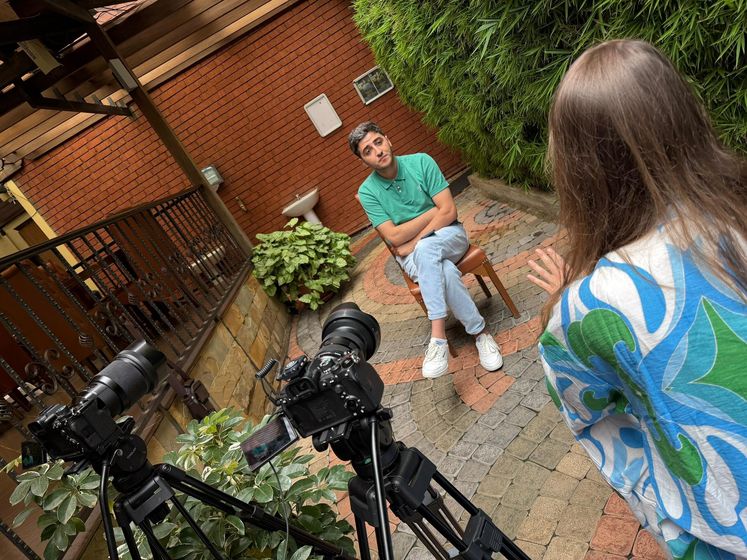
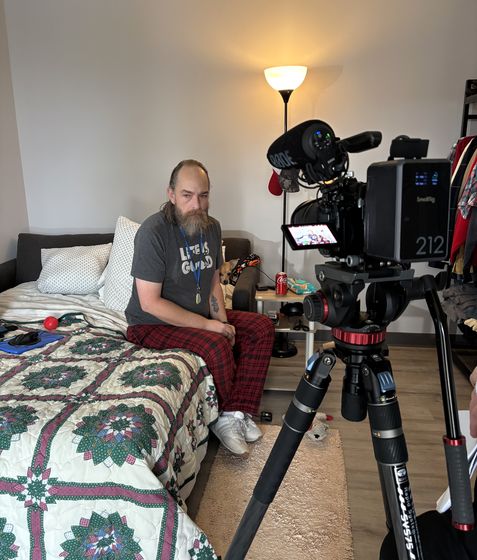
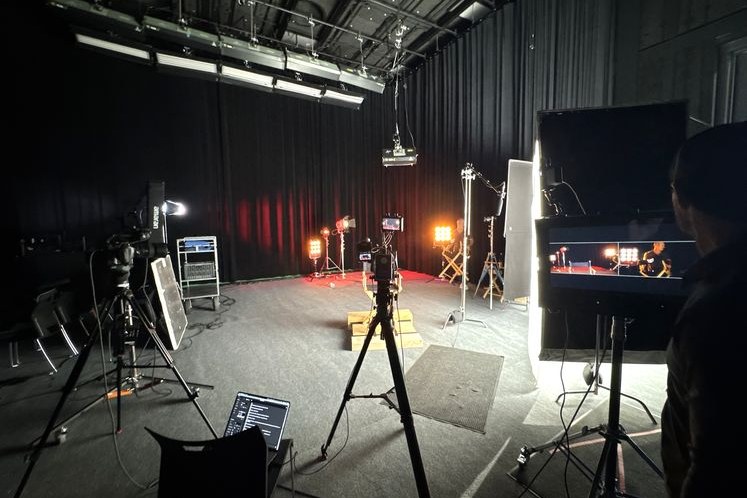
We run productions two ways. Virtual sessions: our producer directs a recorded interview live, from your office, a program site or a partner's home, and our editors turn it into a finished video and its cutdowns. It's the fastest way to keep stories coming between big moments. See how virtual sessions work. In-person production: for galas, conferences, Hill days and flagship films, we film with crews from our network of 20,000+ vetted storytellers in 130+ countries, so you don't fly a team in. Audio is recorded properly, footage lands in a shared folder you own, and revisions run through a simple review link. For the full scope, see our video production for nonprofits page.
What does nonprofit video cost in DC?
Market rates vary widely. According to Clutch's 2026 video production pricing data, most video projects come in under $10,000, the average project is $42,280.92, and US agencies typically bill $100–$149 an hour. Happy Productions' Monthly Partnership is $995 a month for one directed session every month and unlimited edits, with no contract, and your first session and video are free. Our 2026 nonprofit video cost guide breaks down market ranges by video type.
FAQ
Do you work across the DMV?
Yes. We produce for nonprofits in the District, Maryland and Northern Virginia. See our guides to nonprofit video in Maryland, including Baltimore and nonprofit video in Virginia.
Can you make a short version for a Hill meeting or briefing?
Yes. We plan every interview so the same footage yields a donor story, a 60–90 second briefing cut and social clips.
How far ahead should we book for a gala or GivingTuesday?
Six to eight weeks for a gala film. Four to six weeks for GivingTuesday on December 1, 2026.
Talk to us
If you're planning a gala film, an advocacy campaign or a season of stories in Washington, book a short call and you'll leave with a concrete video plan. Book a free 15-minute consult.
Not sure where to start?
Book a free strategy call. We'll workshop a video concept for your nonprofit — no charge, no pitch deck.
Book my free callReady to put your story on screen?
Tell us what you're working on. In 15 minutes we'll sketch the video with you — what to film, who to put on camera, and where it should run.