How to Create a Nonprofit Event Video That Captures Your Mission
Learn how to create powerful nonprofit event videos that capture your mission, engage donors, and extend the impact of your galas, fundraisers, and community events.
Why Nonprofit Event Videos Matter More Than Ever
Your nonprofit hosts incredible events — fundraising galas, community gatherings, awareness campaigns, volunteer appreciation nights. But what happens after the lights go down and the guests leave? Without video, those powerful moments disappear. A well-produced nonprofit event video transforms a single evening into months of fundraising content, donor engagement, and community building.
Event videos serve multiple purposes for nonprofits. They become thank-you messages for attendees, invitation teasers for next year's event, donor cultivation tools for those who couldn't attend, and social proof that your organization creates real community impact. One event, filmed well, can generate content for an entire quarter.
Planning Your Nonprofit Event Video
The best nonprofit event videos don't happen by accident. They require planning that starts weeks before the event itself. Begin by identifying your video's primary purpose: is this a recap for social media, a fundraising tool for major donors, or a promotional piece for next year's event? Each goal shapes how you film.
Create a shot list that covers three categories: atmosphere shots that capture the energy and setting, interview moments with key speakers and attendees, and impact moments — the auction, the emotional keynote, the surprise announcement. Brief your videographer on the event schedule, key people to capture, and any moments that absolutely cannot be missed.
Coordinate with your event planner on logistics. Where will speakers stand? What's the lighting situation? Is there a stage? Will there be ambient music that complicates audio? Addressing these questions before the event prevents scrambling during it.
What to Capture During the Event
Great nonprofit event videos balance three elements: energy, emotion, and evidence of impact. For energy, film wide shots of the crowd, close-ups of laughter and applause, and dynamic moments like live performances or surprise reveals. These shots make viewers feel like they were there.
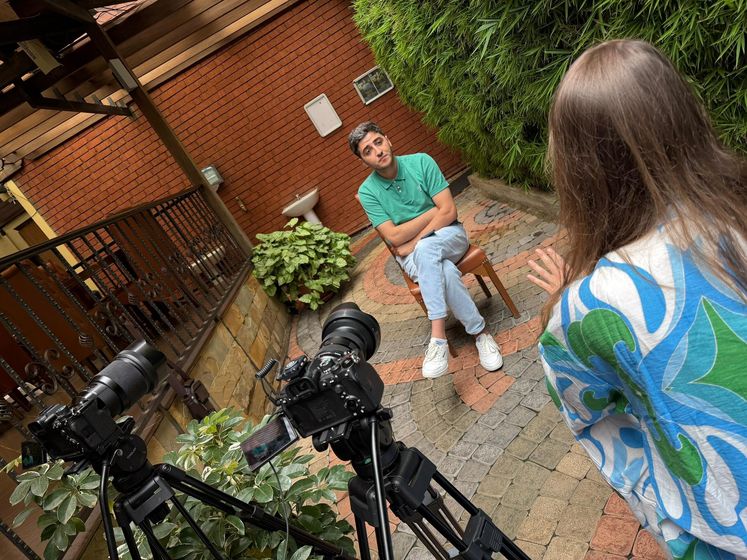
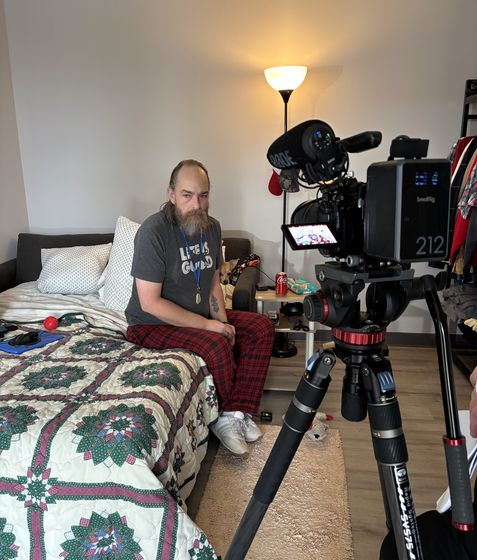
For emotion, capture the stories. Pull aside two or three attendees for 60-second interviews. Ask simple questions: "Why did you come tonight?" and "What does this organization mean to you?" These authentic testimonials are often more powerful than any scripted speech.
For evidence of impact, document the fundraising total reveal, the program beneficiaries sharing their stories on stage, and the tangible results your organization is celebrating. This is the content that converts viewers into donors.
Equipment and Setup Essentials
Nonprofit events present unique filming challenges. Venues are often dimly lit, music can overpower dialogue, and you're working around guests who didn't come to be filmed. A professional setup addresses all three.
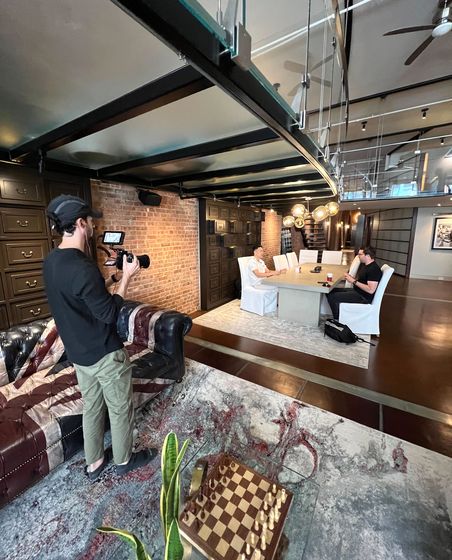
At minimum, you need two cameras — one stationary on the stage or main area, and one roaming for candid moments and interviews. Bring portable LED lights for interviews, and always use lavalier microphones for any planned speeches or testimonials. The built-in camera mic will pick up every conversation in the room except the one you're trying to record.
For audio during speeches, coordinate with the venue's AV team to get a direct feed from their soundboard. This gives you clean, isolated audio that you can mix with your ambient room sound in post-production.
Editing Your Event Video for Maximum Impact
Most nonprofit event videos fail in editing, not filming. The mistake is trying to include everything. A 45-minute chronological recap of your gala will get fewer views than a 90-second highlight reel that captures the evening's energy and emotion.
Structure your edit around a narrative arc: set the scene (why we're here), build the emotion (stories and testimonials), hit the climax (the big reveal or key moment), and close with a call to action. This works whether your final video is 60 seconds or 5 minutes.
Open with your strongest visual — not a logo animation, not a title card, but the most compelling moment from the night. A standing ovation, a tearful thank-you, a room erupting in applause. Hook the viewer in the first three seconds.
Distributing Your Event Video
One event video should become at least five pieces of content. Edit a 60-second highlight reel for Instagram and Facebook, a 15-second teaser for Stories, a 3-5 minute full recap for YouTube and your website, individual testimonial clips for donor outreach, and a behind-the-scenes version for your team and volunteers.
Send the full video to attendees within 48 hours while the experience is fresh. Include it in your post-event thank-you email — this dramatically increases email engagement compared to a text-only follow-up. Share individual testimonial clips with the people featured, who will reshare to their own networks.
For major donor cultivation, create a personalized version that includes footage of the donor at the event paired with impact statistics. This personal touch turns a generic video into a relationship-building tool.
Common Mistakes to Avoid
The biggest mistake nonprofits make with event videos is waiting too long to share them. If your event video takes three months to edit, you've missed the window of relevance. Aim for a social media teaser within 24 hours and a full edit within two weeks.
Another common error is filming without releases. Even at a private event, you need signed video release forms from anyone featured prominently — especially program beneficiaries sharing personal stories. Handle this during event registration, not after the fact.
Finally, don't forget accessibility. Add captions to every video. Beyond being the right thing to do, captions increase video engagement by 40% since most social media users watch without sound.
Measuring Your Event Video's Impact
Track more than just view counts. The metrics that matter for nonprofit event videos include watch-through rate (are people finishing the video?), click-through rate on your donation CTA, shares and tags from attendees, and whether the video influenced next year's ticket sales or sponsorship conversations.
Compare your post-event fundraising emails with and without video. Organizations that include event video in their follow-up campaigns typically see 2-3x higher click rates and measurable increases in subsequent donations.
FAQ
How much does a nonprofit event video cost?
Professional nonprofit event video production typically ranges from $2,000 to $15,000 depending on the event size, number of cameras, and deliverables needed. Many production companies offer nonprofit-specific packages that include multiple edit versions for different platforms.
How long should a nonprofit event video be?
For social media, keep highlight reels under 90 seconds. For your website and YouTube, 3-5 minutes is the sweet spot for a full event recap. For donor presentations, you can go up to 8-10 minutes if the content warrants it.
Can I film an event video with a smartphone?
Modern smartphones can capture good footage, but professional results require proper audio equipment, lighting, and multi-camera coverage. For flagship events like annual galas, invest in professional production. For smaller community events, a well-planned smartphone shoot can work.
When should I hire a videographer for my nonprofit event?
Book your videographer at least 4-6 weeks before the event. This gives time for a site visit, shot list planning, and coordination with your event team. Last-minute bookings often mean less preparation and weaker results.
Ready to capture your next nonprofit event on video? See how Happy Productions creates event videos that extend your impact far beyond a single evening, or get in touch to discuss your upcoming event. Explore our nonprofit video marketing strategy guide for more ways to leverage video content, and learn how fundraising videos drive donations year-round.
Schedule a free consultation with a nonprofit video expert
At Happy Productions, we help nonprofits use video to tell stories that drive donations, engagement, and real impact.
Schedule Free Consultation →
Explore More Resources
- Our Nonprofit Video Production Services — See how we help nonprofits tell stories that drive donations and engagement.
- Case Studies — Real results from 26+ nonprofit clients including 36M+ organic reach and 500% engagement increases.
- Fundraising Video Production — Videos designed to inspire donations and boost donor retention.
Not sure where to start?
Book a free strategy call. We'll workshop a video concept for your nonprofit — no charge, no pitch deck.
Book my free callReady to put your story on screen?
Tell us what you're working on. In 15 minutes we'll sketch the video with you — what to film, who to put on camera, and where it should run.