How to Create a Nonprofit Video Marketing Strategy That Drives Donations
How to build a nonprofit video marketing strategy that increases donations, engages supporters and amplifies your mission, with real examples.
Why Nonprofits Need a Video Marketing Strategy in 2026
Video isn't optional for nonprofits anymore. According to recent data, organizations using video in their fundraising campaigns see 150% more engagement than those relying on text and images alone. Donors want to see impact — and video is the most powerful way to show it.
But here's the problem: most nonprofits create videos without a strategy. They film an event, post it on social media, and hope for the best. That's not a strategy — it's a lottery ticket.
A real video marketing strategy connects every piece of content to a specific goal: raising awareness, acquiring donors, retaining supporters, or driving a specific campaign. This guide walks you through building one from scratch.
Step 1: Define Your Video Marketing Goals
Before you film anything, answer this question: what does success look like?
Nonprofit video goals typically fall into four categories:
Awareness: Getting your mission in front of new audiences. These videos are designed to be shareable — they tell compelling stories that make people care about your cause for the first time. Think of short-form content for social media: 60-second impact stories, behind-the-scenes footage, or powerful testimonials.
Donor acquisition: Converting interested viewers into first-time donors. These videos make the case for giving — they show what a donation does, who it helps, and why it matters now. Fundraising campaign videos, annual appeal videos, and program explainers fall here.
Donor retention: Keeping existing donors engaged and renewing their support. Thank-you videos, impact reports, and year-in-review content remind donors that their generosity is making a difference.
Campaign-specific: Videos tied to a specific initiative — a capital campaign, a giving day, a legislative push, or an event. These have hard deadlines and specific calls to action.
Pick one primary goal for each video. A video that tries to do everything does nothing.
Step 2: Know Your Audience (It's Not "Everyone")
The biggest mistake nonprofits make with video is creating content for a generic audience. Your donor who gives $50/month needs different content than the foundation program officer evaluating your grant application.
Map your audience segments:
Individual donors respond to emotional storytelling — the human impact of your work. Show them the faces and voices of the people you serve. Corporate sponsors want to see reach and brand alignment — how many people will see this content, and how does partnership with your organization enhance their brand? Foundation and institutional funders want evidence of impact — data, outcomes, and strategic thinking. Board members and major donors want insider access — behind-the-scenes content that makes them feel connected to the mission.
For each video you create, identify the primary audience segment and tailor the message accordingly.
Step 3: Build Your Content Calendar
Consistency matters more than perfection. A nonprofit that publishes one video per month for 12 months will outperform one that creates a single expensive production annually.
Here's a practical content calendar framework:
Monthly: One hero video — a polished, story-driven piece (2-5 minutes) that anchors your content for the month. This could be a beneficiary story, program spotlight, or impact update.
Weekly: One social-first video — a short-form piece (30-90 seconds) optimized for Instagram Reels, TikTok, YouTube Shorts, or LinkedIn. Behind-the-scenes clips, staff spotlights, quick impact stats, or event teasers work well here.
Quarterly: One campaign video — tied to a specific fundraising initiative, giving day, or seasonal campaign. These get the highest production value and paid promotion budget.
This cadence gives you roughly 65 pieces of video content per year. That sounds like a lot, but with a solid pre-production process, you can batch-produce multiple pieces from a single shoot day.
Step 4: Production — Quality vs. Quantity
Here's a truth that surprises most nonprofit leaders: your phone can produce broadcast-quality video. Modern smartphones shoot in 4K. Natural lighting and a $20 lavalier microphone will get you 80% of the way to professional quality.
That said, there are moments where professional production matters:
Annual campaigns and fundraising galas deserve professional treatment. Beneficiary stories that will be used across multiple channels for months should be produced well. Any video featuring your executive director or board chair speaking to major donors needs to look polished.
For everything else — social content, internal updates, event coverage — lean into authenticity. Raw, real footage often outperforms polished productions on social media because it feels genuine.
The key is matching production quality to the content's purpose and audience. A $10,000 production for a 15-second Instagram Reel is a waste. A phone-shot video for your annual gala fundraising appeal is an underinvestment.
Step 5: Distribution — Where Your Videos Should Live
Creating the video is only half the work. Distribution is where most nonprofits drop the ball.
YouTube is your long-term library. Every hero video and campaign video should live here with proper SEO — optimized titles, descriptions, tags, and thumbnails. YouTube is the second-largest search engine. People are searching for content related to your cause right now.
Social media is your discovery engine. Short-form clips on Instagram Reels, TikTok, LinkedIn, and Facebook reach new audiences. Each platform has different optimal lengths and formats — repurpose your hero videos into 3-5 short clips per platform.
Email is your conversion engine. Embedding video in fundraising emails increases click-through rates by up to 300%. Your donor retention and campaign videos should be central to your email strategy.
Your website is your credibility engine. Program pages, donation pages, and your about page should all feature relevant video content. Visitors who watch a video on a donation page are significantly more likely to give.
One production, four distribution channels. That's how you maximize the return on every video you create.
Step 6: Measure What Matters
Views are vanity metrics. Here's what actually matters for nonprofit video:
Watch time and completion rate: Are people watching to the end? If your 3-minute video loses 80% of viewers in the first 30 seconds, the opening needs work — not the whole video.
Click-through rate: When you include a call to action (donate, sign up, learn more), what percentage of viewers take that action? This is the direct line between video and revenue.
Conversion rate: Of the people who clicked, how many actually completed the donation or signup? If click-throughs are high but conversions are low, the landing page is the problem — not the video.
Cost per acquisition: Divide the total cost of producing and promoting the video by the number of new donors or email signups it generated. This tells you whether video is a good investment compared to other channels.
Share rate: How often is your content being shared? Shares are the organic growth engine that extends your reach beyond paid distribution.
Track these metrics monthly and tie them back to your goals from Step 1.
Step 7: Repurpose Everything
The most efficient nonprofit video programs get 10+ pieces of content from every production. Here's how:
A single 5-minute beneficiary interview can become a full-length YouTube video, three 60-second social clips highlighting different quotes, a blog post with embedded video, an email featuring the most powerful 30 seconds, a still image quote card for Instagram, a podcast-style audio version, and pull quotes for your annual report.
If you're creating video and only using it once, you're leaving massive value on the table. Build repurposing into your workflow from the start — not as an afterthought.
Common Mistakes to Avoid
Leading with your organization instead of your impact. Donors don't care about your org chart or your new building. They care about the lives you're changing. Lead with impact, always.
Skipping the call to action. Every video needs a clear next step. Watch another video, visit a page, make a donation, share with a friend — tell viewers exactly what to do next.
Inconsistent publishing. One amazing video per year loses to twelve good videos per year. Consistency builds audience and trust.
Ignoring accessibility. Captions aren't optional — they're required. 85% of social media video is watched without sound. If your videos don't have captions, most viewers will never hear your message.
Not investing in distribution. Even $50 in paid promotion on a well-targeted Facebook post can 10x the organic reach of your best video. Budget for distribution, not just production.
Getting Started: Your First 30 Days
You don't need a massive budget or a production team to start. Here's a practical 30-day plan:
Week 1: Audit your existing video content. What do you have? What's performing? What's missing? Set your primary goal for the quarter.
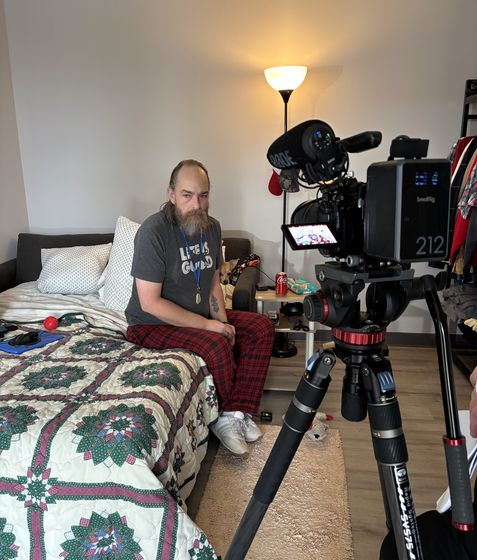
Week 2: Identify your first hero story. Who in your community has a compelling transformation story? Reach out and schedule an interview.
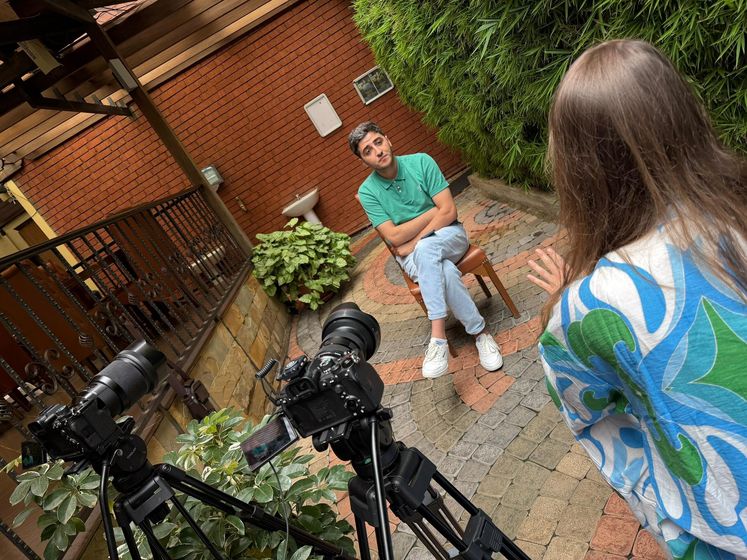
Week 3: Film the interview. Use your phone, natural light, and a quiet room. Record at least 30 minutes of conversation — you'll edit it down later.
Week 4: Edit, publish, and distribute. Upload to YouTube, create 3 short clips for social, embed in your next email newsletter, and add to your website.
That's it. One month, one story, multiple touchpoints. Repeat monthly and you'll have a video content engine running within a quarter.
When to Bring in Professional Help
DIY video works for social content and internal communications. But there are inflection points where professional production pays for itself:
When you're launching a major fundraising campaign with a revenue target above $100K, when you need broadcast-quality content for galas or national distribution, when you want guaranteed reach through established channels and audiences, or when your team's capacity is maxed and video is falling through the cracks.
The best nonprofit video production partners don't just deliver files — they deliver strategy, distribution, and measurable results. Look for partners who understand the nonprofit sector, have case studies with organizations like yours, and can show you the impact their work has driven for similar clients.
Schedule a free consultation with a nonprofit video expert
At Happy Productions, we help nonprofits use video to tell stories that drive donations, engagement, and real impact.
Schedule Free Consultation →
Explore More Resources
- Our Nonprofit Video Production Services — See how we help nonprofits tell stories that drive donations and engagement.
- Case Studies — Real results from 26+ nonprofit clients including 36M+ organic reach and 500% engagement increases.
- Fundraising Video Production — Videos designed to inspire donations and boost donor retention.
Not sure where to start?
Book a free strategy call. We'll workshop a video concept for your nonprofit — no charge, no pitch deck.
Book my free callReady to put your story on screen?
Tell us what you're working on. In 15 minutes we'll sketch the video with you — what to film, who to put on camera, and where it should run.