How to Create a Nonprofit Fundraising Video That Drives Donations
A step-by-step guide to nonprofit fundraising videos that inspire donors to give, covering storytelling, production tips and distribution.
Why Fundraising Videos Outperform Every Other Ask
Nonprofits that use video in their fundraising campaigns raise 66% more than those that rely on text alone. That statistic alone should change how your organization approaches every appeal, every campaign, and every donor touchpoint.
A fundraising video does something a letter or email never can: it lets donors see the problem, feel the urgency, and witness the transformation their gift makes possible. When a donor watches a mother describe how clean water changed her village, the connection is immediate and visceral. No amount of statistics can replicate that.
At Happy Productions, we have produced hundreds of nonprofit fundraising videos that collectively generated millions in donor revenue. Here is what we have learned about what works, what fails, and how to create videos that actually move people to give.
The Anatomy of a High-Converting Fundraising Video
Every effective fundraising video follows a proven structure. Deviate from it and you risk losing your audience before the ask ever arrives.
The Hook (First 5 Seconds) — Open with the most emotionally compelling moment. Not your logo. Not your mission statement. A real person, a real moment, a real need. If donors are not captivated instantly, they scroll past.
The Problem (15-30 Seconds) — Show the challenge your beneficiaries face. Use specific stories, not abstract statistics. One family struggling to afford medication is more powerful than citing that 28 million Americans lack health insurance.
The Solution (30-60 Seconds) — Demonstrate how your organization intervenes. Show your team in action. Show the process. This is where donors see their money at work before they have even given it.
The Transformation (60-90 Seconds) — This is the emotional peak. Show the before and after. Let beneficiaries speak in their own words about how their lives changed. Authenticity here is everything.
The Ask (Final 15-30 Seconds) — Be direct and specific. Do not say "please consider supporting us." Say "Your $50 gift provides clean water for one family for an entire year. Donate now at the link below."
Storytelling Techniques That Inspire Giving
The difference between a fundraising video that raises $5,000 and one that raises $500,000 almost always comes down to storytelling. Technical quality matters, but story matters more.
Lead with one person, not many. Donors connect with individuals, not crowds. Choose one beneficiary whose story represents your broader impact. Let them become the face of your campaign.
Show vulnerability, then strength. The most compelling fundraising videos follow an emotional arc from struggle to hope. Donors want to be part of a success story, not just witness suffering.
Use the donor as the hero. Your organization is the guide. The donor is the hero who makes transformation possible. Frame your narrative so that giving feels like the natural, heroic next step.
Include unexpected moments. Laughter in the middle of a serious story. A child's unscripted reaction. These moments of authenticity build trust and emotional connection more than any scripted line.
Production Tips for Maximum Impact
You do not need a Hollywood budget to create a fundraising video that converts. You need intentionality, good audio, and real stories.
Audio quality is non-negotiable. Donors will watch grainy footage if the story is compelling. They will not watch beautiful footage with bad audio. Invest in a quality lavalier microphone before anything else.
Keep it under two minutes. For social media and email campaigns, 60 to 90 seconds is ideal. For gala presentations or major donor meetings, you can extend to three to five minutes. Anything longer risks losing attention.
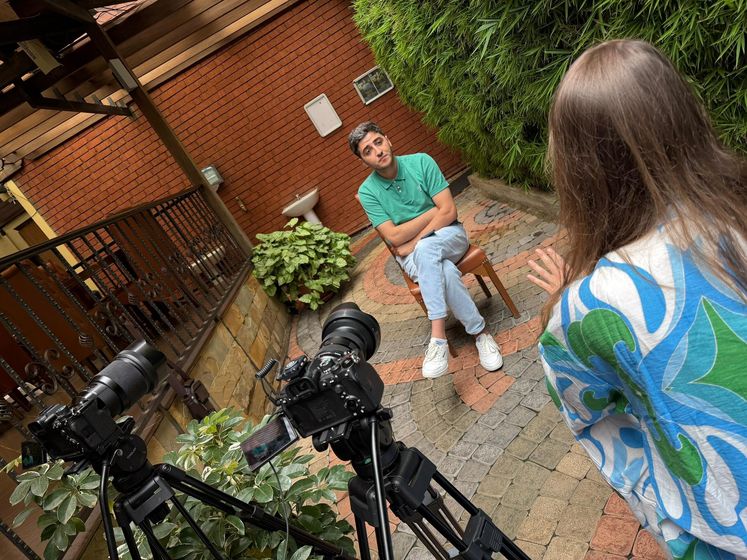
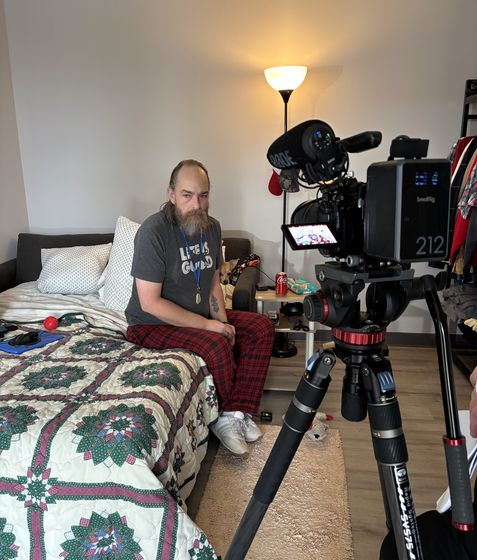
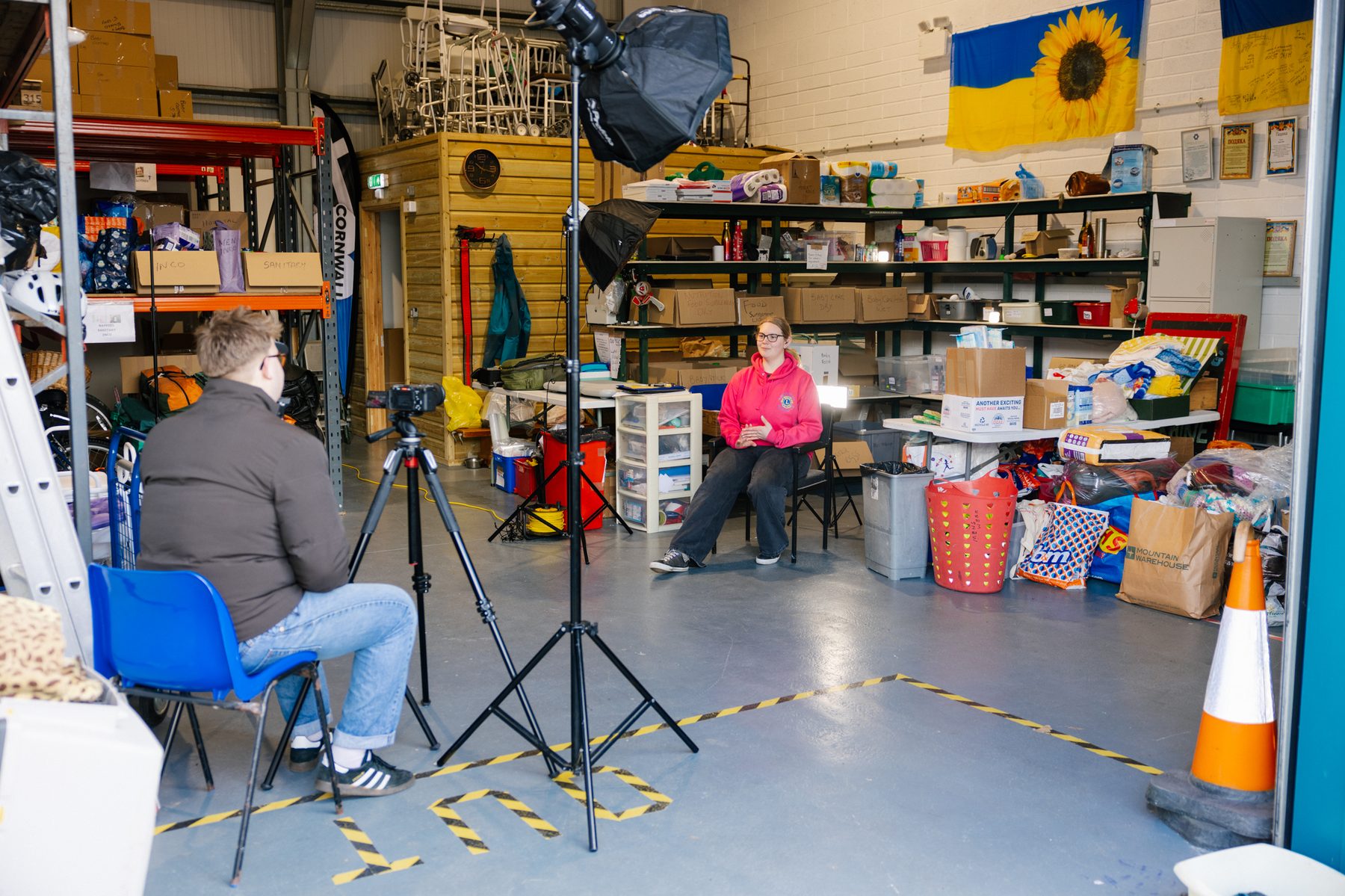
Film on location. Authenticity comes from environment. A beneficiary speaking in their home, their community, or at your program site carries more weight than the same person in a studio.
Capture B-roll intentionally. Hands at work. Eyes looking up with hope. The small details that bring a story to life. Plan your B-roll shots before you arrive on site.
If your organization lacks internal production capacity, working with a nonprofit video production partner who understands mission-driven storytelling can make all the difference.
Distribution Strategies That Maximize Reach
A great video means nothing if donors never see it. Distribution is where most nonprofits drop the ball.
Email campaigns. Embed your video thumbnail with a play button in your fundraising email. Videos in email increase click-through rates by up to 300%. Link to a dedicated landing page with the video and a prominent donate button.
Social media. Upload natively to each platform rather than sharing YouTube links. Native videos get 10x more reach on Facebook and LinkedIn. Create platform-specific cuts: vertical for Instagram Stories and Reels, square for Facebook feeds, horizontal for YouTube.
Your website. Feature your fundraising video prominently on your donation page. Donors who watch a video before giving typically donate 50% more than those who do not.
Peer-to-peer fundraising. Equip your supporters with shareable video clips they can post on their own channels. Give them a toolkit with suggested captions and hashtags.
Major donor meetings. Use a longer, more detailed version of your video in one-on-one donor meetings. The personal viewing experience creates space for deeper conversation and larger commitments.
Measuring Your Fundraising Video ROI
Track these metrics to understand whether your video is driving donations:
View-to-donate rate — What percentage of video viewers click through to your donation page? Benchmark: 2 to 5% is strong for cold audiences, 10%+ for warm audiences.
Average gift size — Compare average donations from video-driven traffic versus other channels. Video-influenced donors typically give 20 to 50% more.
Watch time — If most viewers drop off before your ask, your story arc needs work. If they watch through the ask but do not convert, your CTA needs strengthening.
Share rate — Organic shares multiply your reach at zero cost. A high share rate signals emotional resonance. If people share your video, your storytelling is working.
Common Mistakes to Avoid
After producing hundreds of nonprofit videos, we see the same mistakes repeatedly. Avoid these and you are already ahead of 90% of organizations.
Do not lead with your organization's history. Donors care about impact, not your founding story. Save organizational context for your About page.
Do not use jargon. Terms like "capacity building" and "systems change" mean nothing to most donors. Speak in plain, human language about real results.
Do not forget the ask. An inspiring video without a clear call to action is a missed opportunity. Every fundraising video must tell the viewer exactly what to do next and how their gift creates change.
Do not create one video and call it done. The most effective fundraising strategies use a series of videos: a hero piece, testimonial videos, thank-you videos, and impact update videos that keep donors engaged year-round.
Frequently Asked Questions
How much does a nonprofit fundraising video cost?
Production costs range from $2,000 for a simple testimonial to $25,000 or more for a multi-location documentary-style piece. The right investment depends on your campaign goal and expected return. Organizations working with Happy Productions typically see 10x or more return on their video investment through increased donations.
How long should a nonprofit fundraising video be?
For social media and email, keep it between 60 and 90 seconds. For gala presentations, three to five minutes works well. For major donor meetings, you can go longer if the story warrants it. The key is matching length to context and audience attention.
Can we create a fundraising video with smartphones?
Yes, but invest in external audio equipment. Modern smartphones shoot excellent video. The biggest quality gap between professional and amateur nonprofit videos is almost always audio, not video.
What is the best platform for nonprofit fundraising videos?
The platform where your donors already spend time. For most nonprofits, that means Facebook, Instagram, YouTube, and email. Upload natively to each platform for maximum reach rather than sharing links from a single host.
Schedule a free consultation with a nonprofit video expert
At Happy Productions, we help nonprofits use video to tell stories that drive donations, engagement, and real impact.
Schedule Free Consultation →
Explore More Resources
- Our Nonprofit Video Production Services — See how we help nonprofits tell stories that drive donations and engagement.
- Case Studies — Real results from 26+ nonprofit clients including 36M+ organic reach and 500% engagement increases.
- Fundraising Video Production — Videos designed to inspire donations and boost donor retention.
Not sure where to start?
Book a free strategy call. We'll workshop a video concept for your nonprofit — no charge, no pitch deck.
Book my free callReady to put your story on screen?
Tell us what you're working on. In 15 minutes we'll sketch the video with you — what to film, who to put on camera, and where it should run.