Solar United Neighbors is a national nonprofit that helps people go solar, join together and fight for their energy rights, running programs and co-ops across multiple states. Its social media function is a single, relatively new position covering strategy, content and publishing.
Build a social-first video library from nothing. SUN's existing content was produced for big screens and long runtimes — two to three minutes, sometimes over an hour — with social never considered in the brief. The new goal was short, open, engaging content in the forty-five-second to one-minute range, made for the feed first. The constraint: one person covering the entire social function, and programs spread across states a single staffer could not realistically travel to.
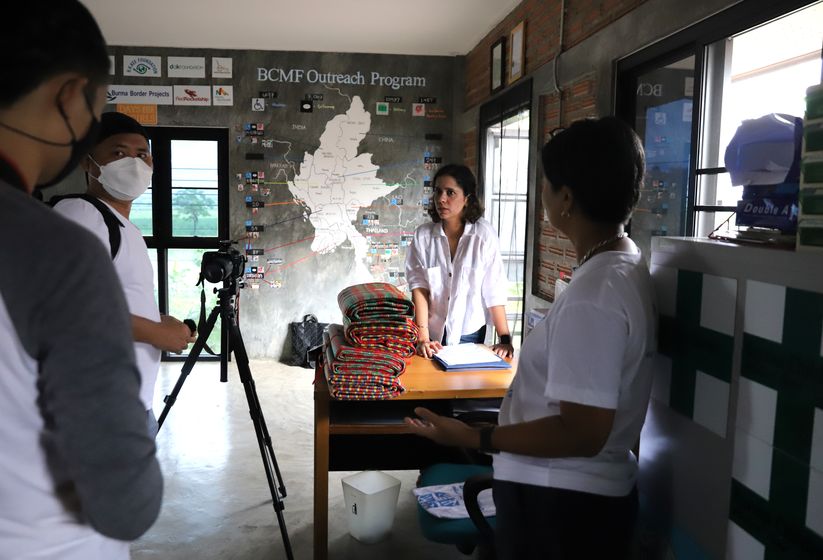
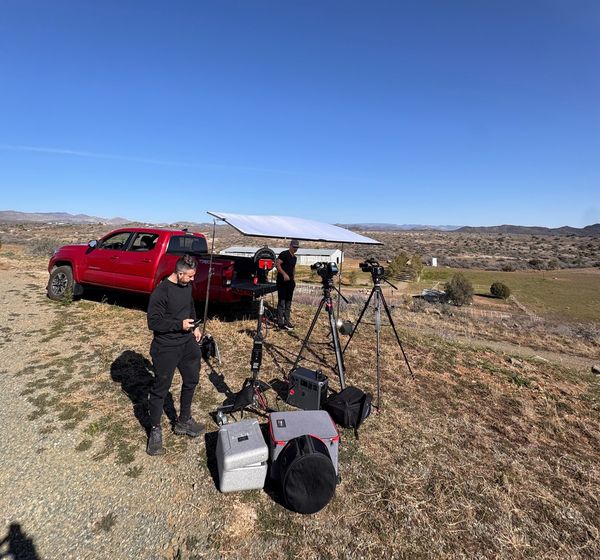
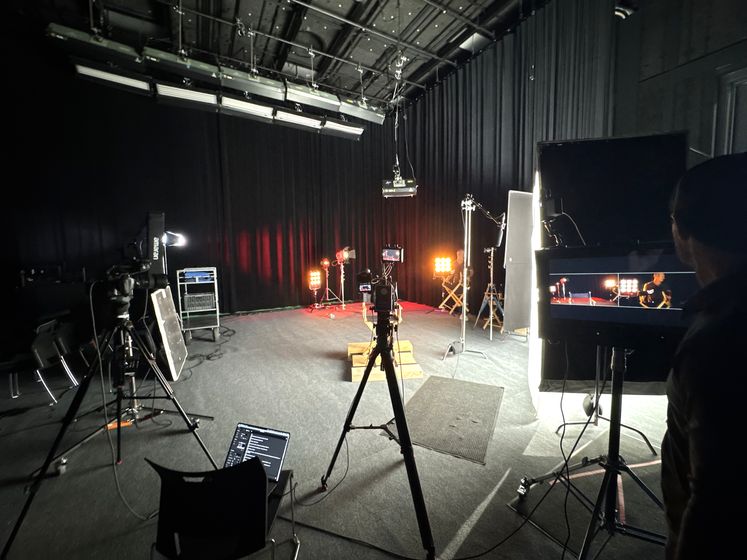
We filmed where their programs actually run — Florida, Arizona and beyond — using our creator network so SUN never had to send staff, and captured extra B-roll on every trip so the library kept growing beyond the shot list. Everything was cut social-first: short, clear, sized for Instagram, Facebook and YouTube, with collaboration posts that put SUN in front of our audience as well as their own. Edits ran unlimited rather than capped, so their team could iterate to the version they actually wanted instead of settling on round two.
SUN went from no social-ready content to a working library plus a B-roll backlog to pull from, produced across multiple states without sending their own staff to film. Their first posts of our footage “raised some eyebrows internally in a good way,” and the collaboration posts consistently outperformed standalone ones. Edits ran uncapped rather than the usual two or three rounds, which Chuks credits with keeping his team from settling on a version they didn't love. “We are getting a lot from what we paid for.”
Solar United Neighbors helps people across the country go solar and fight for their energy rights. They had video. What they did not have was video that worked anywhere their audience actually was.
“We didn't have a lot of fresh video content,” says Chuks, who runs social for SUN, “and what we did have available is not social ready — it was more designed for being like a laptop, or a bigger screen. Social was never in mind.” Their existing library ran two or three minutes, sometimes over an hour. Their audience was scrolling in forty-five seconds.
There was a second problem underneath the first. Social is one position at SUN, and it is one person. “I am the social media manager. I don't have any direct reports, I don't have any content managers, social media specialists — my position is kind of covering everything for one person.” Filming across five different parts of the country was not something one person could do.
So we went to them. Our creator network filmed in Florida, in Arizona, in the places their programs actually run, at a production level above what staff could capture on a phone. Every shoot added to a B-roll backlog they could pull from later. “There was really not a scenario where we're missing a key piece of footage,” he said. “There would either be existing footage you recorded while in the area, or it's available in the backlog.”
And the edits never ran out. Uncapped revisions are not the industry norm — two or three rounds, with anything past that billed as extra, is — and having no ceiling changed how his team worked. “It does help for us to go through many rounds to get it right,” he said, “versus having two or three rounds and then getting worried about, are we missing this, is this not good enough. It prevents us from settling.”
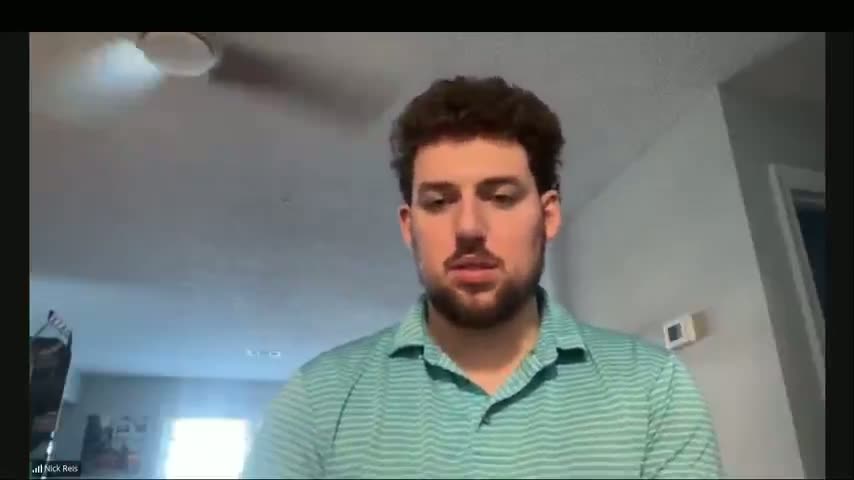
The people who commissioned this campaign, on camera and unscripted.
Screens from the feeds this work was made for.
Answer four questions and we'll email you the plan that fits — what we'd film for your programs, how often, and how that compares to an agency or a full-time hire. No sales call required.