25 Donor Stewardship Ideas That Improve Retention
25 donor stewardship ideas for nonprofits, from thank-you calls to impact updates, with a stewardship calendar and the research on what lifts retention.
Stewardship is everything you do between asks, and it is where most retention is won or lost. Done well, it is the reason a first-time donor gives a second time, a monthly donor stays for years and a major donor increases their gift. Below are 25 practical donor stewardship ideas your development team can use this year, grouped by type, with the research behind the ones that move retention most.
Key facts
- Retention is the problem stewardship solves: overall donor retention was 43.3% in 2025 (FEP).
- Calls work: first-time donors who got more than one thank-you call within 90 days were retained 58.21% of the time, versus about 33% with no call (Bloomerang).
- Repeat donors fund the sector: repeat retained donors contribute about 61% of all dollars (FEP Q1 2026).
- Monthly donors stay: 71% of sustainers were still giving after 12 months (M+R Benchmarks 2026).
- The best stewardship shows proof: donors want to see what their gift did, not just hear thanks.
Quick wins
- Call every first-time donor within 90 days. A two-minute "thank you, no ask" call. Board members can take a list.
- Send a thank-you within 48 hours. Speed tells donors their gift mattered.
- Name the program they funded. Generic thanks feels like a receipt.
- Record a 30-second personal video thank-you from your ED or a program lead, filmed on a phone.
- Handwrite a note to every gift above your mid-level threshold.
- Thank donors publicly (with permission) on social or in your newsletter.
- Celebrate giving anniversaries. "One year ago today, you joined us."
Proof of impact (the ideas that drive retention)
- Send a "your gift at work" update 90 days after a gift, from the program itself.
- Share a 60-second impact story of one participant, in their own words. See our impact video guide.
- Publish a living impact report online and update it quarterly, instead of one PDF a year. Our guide on how to show donors their impact explains how.
- Close the loop on campaigns. If donors funded a goal, show them it was reached.
- Turn your annual report into a short film. Our annual report video guide shows how.
- Send a mid-year impact update so donors don't hear from you only in December.
- Share before-and-after stories of the same person or place over time.
Experiences and access
- Offer site visits or virtual tours of your programs.
- Host a donor-only briefing with your ED or program staff, online or in person.
- Invite donors behind the scenes of a shoot day, event setup or field visit.
- Send gala attendees a recap showing what the night raised and funded. See our gala recap video guide.
- Create a donor-only video series with quarterly updates from the field.
Building long-term loyalty
- Invite one-time donors to give monthly after their second gift. Our sustainer video guide covers the ask.
- Give monthly donors their own updates so they feel like insiders.
- Ask for feedback with a short survey on why they give.
- Segment communications by program interest and giving level.
- Recognize long-time donors at events and in your annual report.
- Bring board members into stewardship with thank-you calls and impact talking points.
A simple stewardship calendar
- Day 1–2: thank-you email or letter, naming the program.
- Week 1–4: thank-you call or personal video for first-time and mid-level donors.
- Month 3: "your gift at work" update with a short story.
- Month 6: mid-year impact update or donor briefing.
- Month 9: invitation to an event, tour or behind-the-scenes look.
- Month 11–12: annual impact story, then the year-end appeal.
The calendar matters most for year-end donors. Blackbaud Institute data shows December brings in roughly 18% of annual giving, so a large share of your new donors arrive at once. Have their stewardship sequence ready before December.
How to measure whether stewardship works
- Retention rate by segment: first-time, repeat, monthly and major donors.
- Time to second gift: Bloomerang found multiple calls led to a second gift just 53 days after the first.
- Upgrade rate: the share of donors who give more than last year.
- Engagement: email opens, video views and event attendance among donors.
For benchmarks, see our donor retention statistics.
Stewardship by donor level
First-time donors
Your biggest retention gap. Prioritize speed and a personal touch: a fast thank-you, a call or short video within 90 days, and a clear story of what their gift did. Then invite them to give a second time before the year ends.
Monthly donors
They already trust you, so treat them as insiders. Send short field updates, invite them to donor briefings and thank them on their giving anniversary. Never let a failed card payment go unfollowed.
Mid-level donors
Often overlooked between the mass appeal and major gifts. A handwritten note, an invitation to a site visit and a personal impact update can move them toward a major gift.
Major donors
Assign a relationship manager, report on the specific program they fund, and give them access: time with your ED, program leaders and the people they help. Our major gift cultivation video guide covers how video fits.
Frequently asked questions
What's the difference between stewardship and cultivation?
Cultivation builds a relationship before a gift; stewardship looks after it afterwards. Good stewardship is also the best cultivation for the next gift.
How much should we spend on stewardship?
Most of the ideas above cost staff time rather than money. Put the most effort into first-time donors and monthly donors, where retention gains are largest.
Who should own stewardship?
Development usually owns the calendar, but the best stewardship involves program staff, the executive director and board members. Program teams supply the proof; leaders supply the personal touch.
Make stewardship easy to keep up
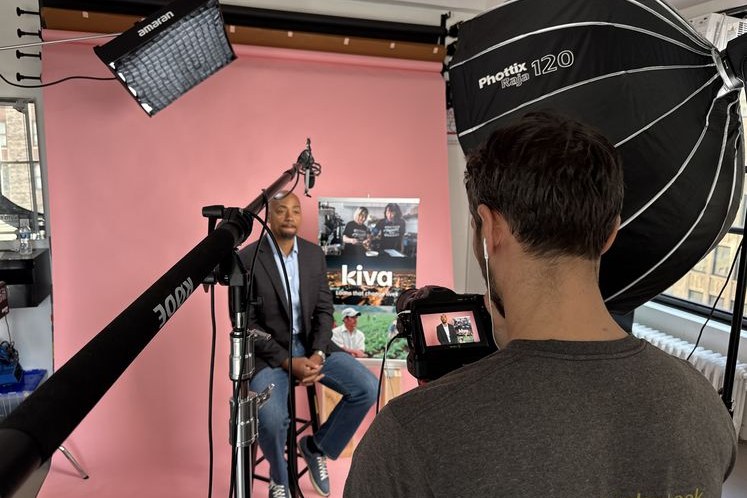
The hardest part of stewardship is producing fresh proof all year. Happy Productions films your programs in batched shoot days and turns the footage into thank-you videos, impact updates, board cuts and living impact reports for the whole year. Clients include Kiva, Heifer International and Lions Clubs International. See our case studies and fundraising video services, or book a free consultation.
Not sure where to start?
Book a free strategy call. We'll workshop a video concept for your nonprofit — no charge, no pitch deck.
Book my free callReady to put your story on screen?
Tell us what you're working on. In 15 minutes we'll sketch the video with you — what to film, who to put on camera, and where it should run.