Nonprofit Video Trends You Can’t Ignore in 2026 (Urgent Update!)
Discover the 10 nonprofit video trends dominating 2026—AI editing, vertical video, and micro-docs. See what top orgs are doing now to raise more.
The world of nonprofit video marketing is evolving faster than ever. As we enter 2025, video has shifted from a nice-to-have to an urgent cornerstone of nonprofit marketing strategies. Organizations that leverage the latest video trends are engaging donors, attracting volunteers, and amplifying their impact more effectively than those sticking to outdated approaches. In this expert update, we’ll explore the nonprofit video trends you can’t ignore in 2025, backed by data and real-world examples.
Before diving in, consider these eye-opening facts about video in today’s digital landscape:
- Dominant Traffic Source: Video content was projected to account for 82% of all internet traffic by 2022, and this trend is only growing into 2025. Audiences are consuming video at unprecedented rates across all platforms.
- Higher Engagement & Retention: Viewers retain 95% of a message when delivered via video (versus just 10% through text), and video content is shared 1,200% more than text and images combined . This means a well-crafted nonprofit video can spread your mission far and wide.
- Fundraising Impact: Video on landing pages can boost conversion rates by up to 86% . Many donors say they prefer to learn about a cause through video, which can directly translate into more donations and support.
- Marketing Must-Have: It’s no surprise 91% of businesses use video in their marketing. In fact, 68% of marketers who haven’t used video plan to start in 2025. Nonprofits cannot afford to fall behind these trends.
In this urgent briefing, we’ll break down the top nonprofit video trends for 2025, show how leading organizations are riding these trends (including case studies from recent social impact campaigns), and offer tips to integrate these ideas into your own nonprofit marketing strategies. Let’s get started!
Why Video Is Vital for Nonprofit Marketing in 2025
In 2025, video is no longer optional – it’s central to effective nonprofit communication. From fundraising appeals to program updates, video content drives stronger emotional connections and trust with audiences. Here’s why focusing on video is a smart strategy for nonprofits this year:
- Storytelling Power: Nonprofits thrive on storytelling. Video allows you to show your impact, not just talk about it. A compelling two-minute story of someone your organization helped can resonate more than any written report. Modern donors, especially Millennials and Gen Z, prefer video over text for learning about causes.
- Higher Engagement: Social media algorithms (Facebook, Instagram, LinkedIn, and even Twitter/X) favor video content, which typically generates higher engagement. For example, on Facebook, 85% of videos are watched without sound – indicating users eagerly consume video in their feed (with captions on) even in silent mode. This silent-video trend underscores how essential it is to produce mobile-friendly, captioned videos that grab attention quickly.
- Broader Reach: Live-action or animated, short or long, videos can be repurposed across channels – your nonprofit’s website, YouTube, social media, emails, and virtual events. A single well-produced video can engage supporters globally. Statistically, 85% of all internet users in the U.S. watch online video content monthly, so video helps you tap into a vast audience that might skip over other content formats.
- Trust and Transparency: Showing real people and real stories on camera builds trust. Donors are more likely to give when they see transparency in how a nonprofit operates and whom it serves. A brief behind-the-scenes video of your team in action or a testimonial from a beneficiary can humanize your organization, building credibility that textual updates struggle to achieve.
- Measurable Impact: With today’s analytics, nonprofits can track video performance in detail – views, watch time, click-throughs, and conversion to donations or sign-ups. This data-driven insight means you can refine your video strategy over time, focusing on what content truly moves your audience to act.
In short, video isn’t just another content type; it’s the heartbeat of successful nonprofit marketing strategies in 2025. Now, let’s explore the key trends shaping how nonprofits are producing and leveraging video this year.
Top Nonprofit Video Trends in 2025 (Urgent Update)
What are the nonprofit video trends to watch in 2025? Below we break down the most important developments in video marketing that nonprofit professionals must pay attention to (with tips on how to adapt). These trends will help your organization stay relevant and maximize its impact through video:
| Trend | What It Means for Nonprofits |
|---|---|
| 1. Short-Form Social Videos (TikTok, Reels) | Bite-sized, 30-60 second videos dominate social media, offering high engagement and shareability. Nonprofits can reach younger audiences with quick, impactful storytelling. |
| 2. Live Streaming & Virtual Events | Going live on Facebook, YouTube or Instagram to broadcast events, Q&As, or fundraisers in real-time. Builds authenticity and interactive engagement with viewers (chat, comments). |
| 3. Personalized Video Content | Tailoring videos to specific audiences – e.g. messages for donors vs. volunteers, or region-specific stories. Viewers feel a deeper connection when content speaks directly to them. |
| 4. AI-Powered Video Production | Using AI tools for editing, scripting, or even on-screen avatars. Artificial intelligence streamlines production and enables content like automated captions, translations, or personalized video messages at scale. |
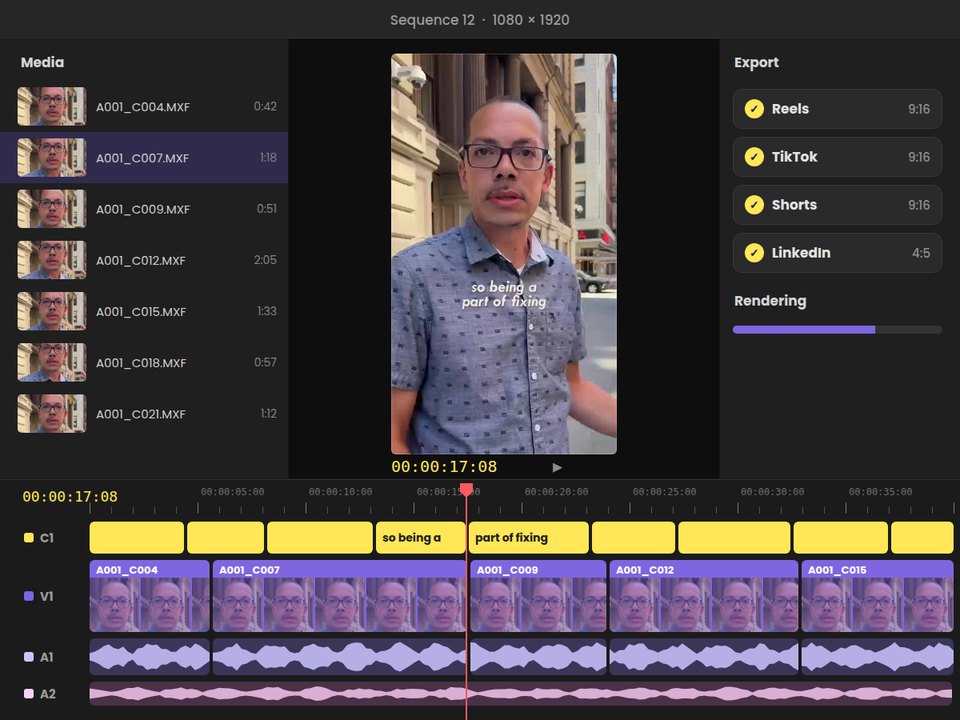
| 5. Mobile-First & Vertical Format | Optimizing for smartphone viewing with vertical or square videos and subtitles. Ensures your message is effective even without sound and fits mobile screens, as a majority watch on phones. |
| 6. Authentic Storytelling (User-Generated) | A shift to raw, authentic footage over overly polished ads. Featuring real stories, user-generated content, and behind-the-scenes clips to build trust and relatability. |
| 7. Data-Driven Strategy & ROI Focus | Tracking video metrics and iterating. Nonprofits set clear goals (views, shares, donations) and use analytics to measure ROI, ensuring video efforts align with fundraising and outreach objectives. |
| 8. Interactive & Immersive Video | Emerging use of 360° video, VR experiences, or interactive storytelling (clickable videos, quizzes) to immerse supporters in the cause. Early adoption is niche but can create memorable donor experiences. |
Now, let’s unpack each of these trends in detail:
Trend #1: Short-Form Social Videos Dominate Nonprofit Video Trends
Short-form videos on platforms like TikTok, Instagram Reels, and YouTube Shorts are exploding in popularity – and nonprofits are riding this wave. These videos (often 15 to 60 seconds long) are highly engaging and shareable, allowing nonprofits to spread their message quickly. In fact, bite-sized videos have become the top video marketing trend, with 39% of video marketers reporting that short-form content yields the highest ROI. For nonprofits, this means that a well-crafted 30-second story can inspire more action than a five-minute video that few people finish.
Why are short videos so effective? Audiences today have shrinking attention spans, and on social media they swipe quickly. A punchy, emotionally resonant clip can captivate viewers and prompt them to share or learn more. For example, a quick montage showing before-and-after impacts of your program or a fast-paced volunteer testimonial can grab attention as someone scrolls through their feed.
How to leverage this trend: Focus on story snippets and highlights. Instead of one long documentary-style video, create a series of mini-videos. Tease a story in 30 seconds and direct viewers to your website or a longer video if they want the full narrative. Ensure the first 3 seconds are eye-catching – use bold visuals or text overlays to hook the viewer immediately (early hooks are crucial so people don’t scroll past). Also, optimize for vertical format since most short videos are watched on phones.
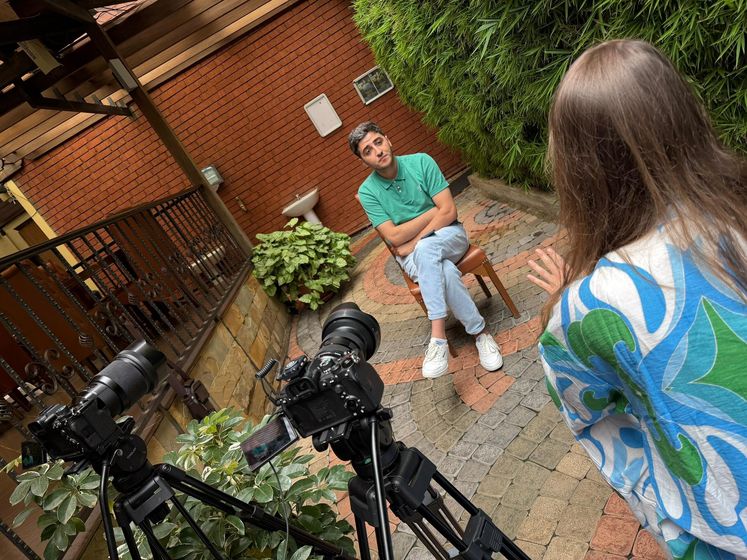
Real-world example: Dream.org, a social impact organization, recently collaborated with Happy Productions to produce TikTok-style interviews at a major music festival. In this campaign (part of an “urgent joy” initiative at Lollapalooza 2024), Happy Productions filmed short, candid interviews with festival-goers about what “giving back” means to them. Each clip was under 60 seconds, perfect for social media. The result? Dream.org’s message about community and generosity reached thousands of young viewers on TikTok and Instagram – illustrating how short-form content can dramatically amplify a nonprofit’s reach with authentic voices.
Schedule a free consultation with a nonprofit video expert
At Happy Productions, we help nonprofits use video to create volunteer spotlights
Schedule Free Consultation →Trend #2: Live Streaming and Virtual Events Continue to Engage
Live streaming isn’t new, but in 2025 it remains a powerful nonprofit video trend you can’t ignore. Live video brings your audience into the moment, whether it’s a town hall discussion with your CEO, a virtual site visit to a project area, or a live fundraiser gala broadcast online. Even as in-person events return, the virtual element is here to stay – often creating a hybrid experience that maximizes reach.
Nonprofits are increasingly using Facebook Live, YouTube Live, Instagram Live, and Zoom webinars to broadcast events in real-time. Viewers love the authenticity of live video: it feels unedited and transparent. Plus, they can interact by commenting or asking questions, which builds community. A live streamed fundraising event can draw supporters from all over the world, not just those who could travel to a physical venue.
To make the most of live video in your strategy, plan an event that suits the format: for example, a “Day in the Life” live stream from the field, or a Q&A session where you answer supporter questions about your cause. Promote it ahead of time via email and social media to get viewers to tune in. During the broadcast, encourage engagement (“ask us anything in the comments!”) and use on-screen graphics or a moderator to highlight questions. Live videos can also be recorded and repurposed – you might edit highlights into a short recap video afterward.
Case in point: During the pandemic, many nonprofits hosted virtual gala events or telethons and were surprised to find online attendance far exceeded the typical ballroom capacity. Now in 2025, organizations continue using hybrid events – for example, a charity 5K run that occurs in-person but also live streams finish-line celebrations and participant stories to a global audience. If your nonprofit hasn’t tried live video yet, consider this: 68% of marketers who didn’t use video plan to start by 2025 , and live streaming is one of the easiest ways to begin, often requiring nothing more than a smartphone and an internet connection. It’s a cost-effective trend to humanize your work and rally supporters in real time.
Trend #3: Personalized and Segmented Video Content
As audience data becomes more accessible, personalization is a major trend across all marketing – including video. In 2025, nonprofits are increasingly tailoring video content to specific segments of their audience for greater impact. One size no longer fits all. Donors, volunteers, beneficiaries, and general supporters each have different motivations, so delivering video messages that speak directly to each group can dramatically improve engagement.
What does personalized video look like for a nonprofit? Here are a few examples of how you can implement this trend:
- Thank-You Videos for Donors: Instead of a generic thank-you email, send a short personalized video message to donors (addressing them by name if possible). There are tools now that let you automate inserting the donor’s name or donation amount into a pre-recorded thank-you video. It’s a heartfelt touch that boosts donor retention.
- Geo-Targeted Stories: Create variations of your campaign video for different communities or regions. As Forbes notes, brands (and nonprofits) are increasingly creating region-specific video content to better tailor messages to local audiences. For instance, an environmental nonprofit might emphasize coastal conservation in videos sent to supporters in coastal cities, versus forest conservation for supporters in timber regions – all while promoting the same overarching campaign.
- Audience-Specific Appeals: Segment your email list and social ads to show relevant video content. Volunteers might receive a behind-the-scenes video of staff preparing for an event (to make them feel included), while major donors receive a video of your CEO explaining strategic goals for the next year. Both videos further the mission but target what each audience cares about most.
Personalized video content makes viewers feel seen and valued, increasing their likelihood of taking action. The technology to do this at scale has advanced – from simple editing techniques to AI-driven personalization (such as platforms that swap out text or images in a video based on viewer data). While personalization does require extra effort in planning and production, the ROI can be significant in terms of engagement and conversion. After all, a message that feels like it was made just for you is far more compelling.
Tip: Start small with personalization. Even creating two versions of a video – one geared towards donors and one towards beneficiaries or program participants – is a step toward a more segmented strategy. Track engagement metrics on each version to see if the tailored approach outperforms a generic one. Over time, you’ll gather insights to refine how you customize storytelling for each segment of your community.
Trend #4: AI-Powered Video Production and Automation
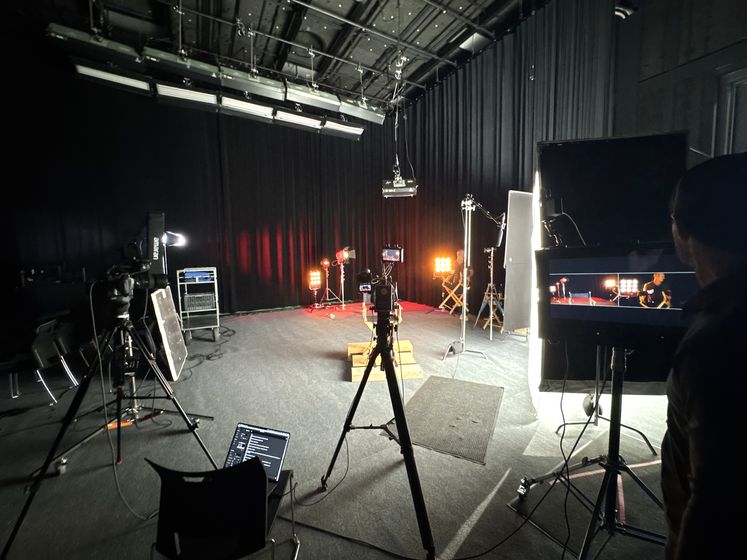
The year 2025 has also been defined by the rise of artificial intelligence in content creation, and video is no exception. For nonprofits, AI offers exciting opportunities to create more video content with fewer resources – a game-changer for organizations that often operate on tight budgets. Here are a few ways AI is transforming nonprofit video production and why this trend matters:
- Automated Editing and Production: AI-driven tools (like Adobe’s smart editing features or online platforms such as Lumen5, InVideo, and Synthesia) can automatically edit raw footage into polished videos, select music, or even generate stock footage suggestions. Some can create videos from a script or blog post using stock imagery and text-to-speech. This means even small nonprofits without a full media team can produce decent-quality videos quickly.
- AI Avatars and Voiceovers: Don’t have a camera-ready spokesperson for every language or region? AI avatars can present your message in a human-like manner, and AI voiceover tools can narrate in multiple languages with natural-sounding speech. For example, you could instantly create a Spanish or French version of your campaign video using AI voiceover, expanding your reach to more supporters.
- Captioning and Accessibility: AI is excellent for speech-to-text, automatically generating captions for your videos. Given that many viewers watch without sound (remember that 85% of Facebook videos are viewed on mute, having accurate captions is essential. AI can also translate those captions, making your content accessible to non-English speakers.
- Content Optimization: AI analytics can predict what types of video content might perform best with your audience by analyzing past engagement. Some platforms use machine learning to suggest optimal video lengths, formats, or even the best thumbnails to grab attention.
By embracing AI tools, nonprofits can save time and money in video production – allowing you to produce more content or focus your human effort on the creative strategy rather than tedious editing. For instance, if an AI tool can cut down your editing time from 5 hours to 1 hour per video, your team can reallocate those hours to brainstorming the next campaign or doing outreach.
A word of caution: AI should assist, not fully replace, human creativity. An AI-edited video might still need a human touch to ensure the storytelling is emotionally resonant and on-brand. Use AI for the heavy lifting (like transcriptions, rough cuts, formatting), then have your team fine-tune the narrative and details that require empathy and nuance. The organizations that pair human insight with AI efficiency will lead the way in nonprofit video production innovation.
Trend #5: Mobile-First Video (Vertical Format and Sound-Off Viewing)
It’s official: we live in a mobile-first world, and nonprofit videos must be optimized accordingly. In 2025, an overwhelming number of supporters will encounter your videos on a mobile device, often while scrolling social feeds on a phone. The trend is clear – to make an impact, videos should be shot or edited in vertical or square format and designed to be engaging even with the sound off.
Why vertical or square? Because it takes up more screen real estate on a smartphone, making your content more immersive in the feed. Platforms like Instagram Stories/Reels, TikTok, and even Facebook mobile feeds prefer vertical video. If you share a horizontal (16:9) video, it will appear with black bars or be very small on a phone screen, easy to overlook. Instead, filming with a smartphone in portrait mode or cropping your video to 9:16 (vertical) or 1:1 (square) will make it full-screen on mobile, instantly grabbing attention.
Silent viewing by default: As noted earlier, a huge portion of social video content is watched on mute. Users might be in public or simply scrolling without headphones. Your videos should assume silence – meaning rely on visuals and text to tell the story. Use captions for any spoken dialogue (auto-captioning tools or services make this easy). Also, consider adding graphical elements or bold text callouts to emphasize key points. For example, if your nonprofit CEO says “Thank you for your support” in a video, display the words “Thank You!” on screen in an appealing style. This way, even a viewer who doesn’t hear the audio gets the message. According to Digiday, 85% of Facebook videos are watched without sound, so this isn’t just a minor issue – it’s the norm.
Mobile-friendly length and pacing: Mobile viewers are often on-the-go. Keeping videos concise (under 2 minutes for most content, under 30 seconds for social clips) is generally best. If longer, you need extremely engaging content to keep them watching. Also, get to the point quickly – avoid long intros or title sequences. The first few seconds should deliver a hook or visual that tells the viewer why they should keep watching.
By designing for mobile, you ensure your nonprofit’s message gets through to the majority of people who will see your content. For instance, when Happy Productions produced videos for a climate action campaign at the Hollywood Climate Summit, we delivered them in an Instagram Story format: 15-second vertical clips with subtitles and emojis to appeal to a younger, mobile-native audience. The result was higher completion rates and shares, because the content felt native to the platform where it was viewed.
In summary, always ask: “How will this look on a phone?” If the answer is “hard to see or understand,” go back to the editing room. A bit of formatting adjustment can make a world of difference in engagement.
Trend #6: Authentic Storytelling and User-Generated Content
In 2025, polished big-budget PSA videos are being complemented – and often surpassed in engagement – by authentic, story-driven content, sometimes even shot on smartphones. Nonprofits are embracing a more authentic aesthetic, realizing that real stories and real people resonate more deeply with viewers than overly scripted productions. This shift is partly driven by the explosion of user-generated content on social media, where authenticity and relatability are currency.
Key aspects of this authenticity trend include:
- User-Generated Content (UGC): Encouraging your community to create and share their own videos related to your cause. This could be as simple as supporters posting a 30-second clip of why they donate or volunteers vlogging their day of service. Campaigns like the ALS Ice Bucket Challenge showed the power of user-driven video content. Your nonprofit might spark a similar UGC movement by starting a hashtag challenge or asking followers to submit videos. UGC not only expands your reach (as people share with their networks), but it also provides social proof that many individuals care about your mission.
- Behind-the-Scenes & Unfiltered Moments: Take viewers behind the curtain. Instead of always presenting a perfect image, show the human side of your work – staff prepping care packages, a candid moment of team laughter, or the setup chaos before a big event. These glimpses make your organization more relatable. For example, a quick behind-the-scenes video of volunteers decorating the venue for a charity gala (with some funny moments or heartfelt volunteer testimonials) can engage your audience on Instagram Stories far more than a polished post-event press release.
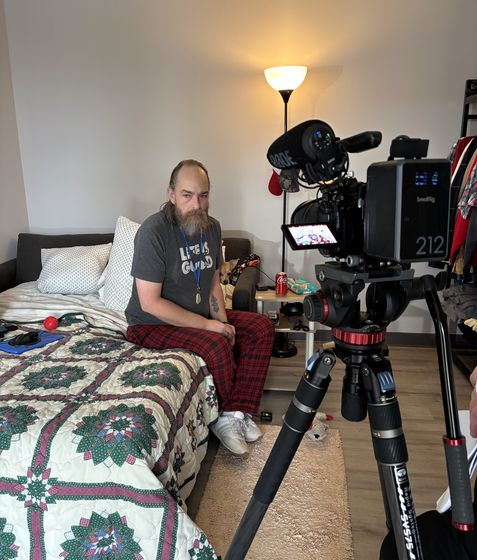
- Storytelling Over Slick Production: While production value is still important (clear audio, steady visuals), the story is what truly counts. Audiences will forgive a video that’s slightly rough around the edges if the narrative is powerful. Think of a beneficiary telling their own story in their own words – it might not have the lighting of a studio, but if their story is compelling, viewers will be moved. Authentic storytelling builds emotional connection and trust, whereas a corporate-style video might be met with skepticism if it feels too much like an advertisement.
A great example of this trend was the Dream.org “Are You Happy?” campaign produced with Happy Productions. Rather than a scripted promo, the team went out into the community and asked everyday people simple, profound questions about happiness, giving, and social impact – capturing unscripted answers. The campaign’s charm lay in real people sharing real feelings, sometimes with shaky camera work in a busy public space. Yet the authenticity shone through and the videos gained significant traction on social media, driving awareness for Dream.org’s mission to spread joy through giving back.
For your nonprofit, consider identifying 2-3 supporters who could serve as authentic voices. Feature them in short videos (even filmed via Zoom or selfie-style video) talking about why they are involved. Mix these in with your professionally produced content. The variety of voices and styles will keep your audience engaged and show that your impact is about community, not just your organization alone. Authenticity is truly one of the nonprofit video trends you can’t ignore – people are craving it.
Schedule a free consultation with a nonprofit video expert
At Happy Productions, we help nonprofits use video to create volunteer spotlights
Schedule Free Consultation →Trend #7: Data-Driven Video Strategy and ROI Focus
With greater investment in video comes the need to ensure it’s paying off. That’s why a big trend for 2025 is making video strategy data-driven. Nonprofits are getting more sophisticated in setting goals for their video content and measuring success through analytics – just as businesses do. It’s no longer enough to upload a video and hope for the best; top organizations are actively monitoring performance and iterating to improve results.
Here’s how you can adopt a data-driven approach to your nonprofit’s video strategy:
- Define Clear Objectives: Decide what each video’s purpose is. Is it to drive website traffic? Solicit donations? Educate the public? Increase social media followers? Having a clear objective lets you know which metrics matter. For an awareness video, view count and social shares might be key. For a fundraising appeal video, the number of donations or dollars raised (attributed to viewers of that video) is the critical metric.
- Use Analytics Tools: Nearly every platform provides analytics – YouTube Studio, Facebook Insights, Instagram Insights, Vimeo stats, etc. Track things like view count, watch time, drop-off rates (audience retention), click-through rates, and conversion events (like “donate” button clicks). If you see that viewers consistently stop watching around the 50% mark of your video, that’s a sign it may be too long or the content loses interest – informing your future edits. If one video led to significantly more newsletter sign-ups than others, analyze what made it effective.
- Test and Learn: Consider A/B testing your videos. For instance, create two versions of a fundraising video with different opening scenes or different thumbnails. Show each to a segment of your audience and see which performs better in terms of completion rate or donations. Testing can also be done by platform – maybe your story video gets lukewarm response on Facebook but blows up on LinkedIn. That might tell you about where your donor demographic prefers to engage.
- ROI Justification: Begin calculating a rough return on investment (ROI) for your video projects. This doesn’t have to be perfectly precise, but leadership will appreciate seeing, for example, that the $5,000 spent on a campaign video brought in $50,000 in donations (a 10x ROI). Even for non-fundraising videos, you can show value: e.g., a volunteer recruitment video might be tied to 100 new volunteer sign-ups, which you can translate into an estimated economic value of their contributed hours. Tracking such outcomes helps justify your video budget and can secure more resources if needed.
The good news is that when done right, video tends to deliver strong ROI. A recent survey found 88% of marketers are satisfied with the ROI of their social media video marketing. Additionally, video outperforms many other content types – one analysis showed video content on social media yields an average ROI of 63%, higher than photo posts (56%) or blog posts (25%). Those figures underscore that investing in video is likely to pay off, especially if you fine-tune your strategy with data.
Remember, numbers tell a story of their own. Use them to learn what your audience cares about. If data shows your educational explainer video on climate change garnered far more shares and completions than your video of a corporate sponsor speaking, that’s insight to lean into storytelling and minimize talking heads. Build on what works, and don’t be afraid to pivot away from what doesn’t – that’s the essence of a data-driven approach.
If you’re looking to create impactful explainer videos for your nonprofit, Content Beta, an explainer video production company, specializes in crafting data-driven, engaging video content that resonates with your audience.
Trend #8: Interactive and Immersive Video Experiences
The final trend to watch is more forward-looking: interactive and immersive video. These technologies are still emerging in the nonprofit sector, but they are becoming increasingly accessible. Forward-thinking organizations in 2025 are experimenting with ways to make viewers active participants in the video experience, rather than passive watchers. This includes things like:
- Interactive Video: Imagine a YouTube or web video that lets viewers choose what to watch next (e.g., “Click here to see how our education program works, or click here to learn about our healthcare program”). Platforms like Eko or even YouTube’s Cards/End Screens allow branching storylines or embedded quizzes/polls within videos. A nonprofit could use this to personalize the experience – for example, a wildlife conservation org might let the viewer pick which endangered animal’s story to follow in a documentary, making the experience more engaging and personal.
- 360-Degree Video and Virtual Reality (VR): Immersive videos that allow viewers to look in any direction can virtually transport your audience to the field. A 360° video on a VR headset (or even on a phone via YouTube’s 360 player) can let a donor “stand” in the middle of a refugee camp your charity is supporting, or walk through the forest you are conserving. This can create a visceral connection to your work. While producing VR content used to be very costly, it’s coming down as cameras like the Insta360 or Ricoh Theta become affordable and platforms support 360 content.
- Augmented Reality (AR) Enhancements: AR overlays digital information on the real world (think Pokémon Go). Nonprofits are dabbling in AR for campaigns – for example, a nature charity might create an AR experience where pointing your phone at a city park shows what that area would look like with restored wetlands and wildlife. While not “video” in the traditional sense, AR often involves dynamic visual content and can be considered part of the immersive video trend. It’s about creating an experience that blends real and virtual storytelling.
While interactive and immersive videos are not yet as mainstream as short-form TikToks or live streams, they offer novel ways to engage supporters. People are more likely to remember an experience they actively participated in. For a nonprofit, leaving that kind of impression can translate to deeper long-term support.
If you’re not ready for a full VR film, you can still add interactivity in simpler ways: incorporate polls in your Instagram/Facebook Stories (e.g., a quick quiz about your cause stats followed by a video with the answer), or use YouTube’s end screen to prompt viewers with different content paths. These small interactions already make the viewing experience more two-way.
Keep an eye on this space – as technology evolves, what feels cutting-edge now may become commonplace in a couple of years. Early adopters in the nonprofit world (think organizations like Charity: Water using VR at gala events to immerse donors in a village getting clean water) have reported powerful results in empathy and donations. So, while it’s the last on our list, immersive video could well be the next frontier of nonprofit storytelling.
Schedule a free consultation with a nonprofit video expert
At Happy Productions, we help nonprofits use video to create volunteer spotlights
Schedule Free Consultation →Nonprofit Video Trends in Action: Case Study Highlights
To see how these trends come alive, let’s look at a couple of brief case studies from Happy Productions’ recent work with social impact organizations. These examples demonstrate how embracing video trends can yield impressive results:
Case Study 1: Dream.org – Festival Storytelling Campaign
Trend Highlights: Short-Form Social Videos; Authentic Storytelling; Mobile-First Format
Dream.org, a nonprofit focused on social justice and community empowerment, partnered with Happy Productions for an innovative campaign during Lollapalooza 2024. Instead of a traditional promo, we executed a roving interview series at the music festival, blending into the youthful, energetic atmosphere. Our crew captured spontaneous responses from artists, attendees, and volunteers about why giving back and community action make them happy. Each interview was distilled into a 30-45 second vertical video optimized for TikTok and Instagram Reels.
The content was authentic and unscripted – one festival-goer spoke about teaching music to underprivileged kids, another couple shared the joy of volunteering together. These human stories, though informal, struck a chord online. We incorporated trendy music and on-screen captions (knowing many would watch on mute), along with Dream.org’s branding. The result: a series of short videos that amassed high engagement, including thousands of views and hundreds of shares within days. More importantly, Dream.org saw a spike in social media followers and click-throughs to their site during the campaign. This case study showcases how meeting your audience where they are (in this case, literally at a festival and virtually on social platforms) and using short-form, authentic video content can dramatically boost awareness. It’s a perfect example of a nonprofit embracing current video trends to connect with a new, younger demographic.
Case Study 2: Climate Summit – Amplifying Youth Voices
Trend Highlights: Live Streaming; User-Generated Content; Data-Driven Iteration
At the Hollywood Climate Summit, an annual gathering of environmental activists and organizations, Happy Productions helped launch a hybrid video campaign to amplify youth voices in climate action. We set up a small “video confession booth” at the summit where young attendees could drop in and record a short message about why climate justice matters to them. Simultaneously, we live-streamed key panel discussions on social media, allowing remote supporters to tune in and even submit questions in real time.
This dual approach generated a wealth of content: dozens of heartfelt youth testimonial clips (user-generated, with permission) and hours of live footage. Post-event, we compiled the best moments into an inspiring highlights reel. But we didn’t stop there – leveraging a data-driven strategy, we analyzed which live segments had the highest viewership and which testimonial clips got the most engagement online. We discovered, for instance, that a clip of a 16-year-old climate activist speaking about protecting her indigenous lands was shared at an unprecedented rate. Noting this, the nonprofit quickly featured her story prominently in their year-end campaign (a decision informed by the video analytics).
This case demonstrates multiple trends: using live video to broaden event access and interactivity, harnessing the authenticity of user-generated content to tell your story, and then using data (views, shares, comments) to identify what content resonated most – and doubling down on it. The outcome was a more engaged online community and a treasure trove of compelling video stories that the organization can repurpose for future advocacy and fundraising. It’s a testament to how nonprofits can creatively combine trends to supercharge their impact.
(For further reading on leveraging video for fundraising success, you might explore our article Video Fundraising for Nonprofits, which provides a deeper dive into strategies specifically geared towards driving donations through video content.)
Conclusion: Embrace the Trends – Your Mission Deserves It
Video is undeniably at the heart of nonprofit marketing in 2025. From short-form viral clips to live interactive broadcasts, the trends outlined above all point to one thing: leveraging video effectively can exponentially increase your organization’s reach and impact. Nonprofits that adapt to these nonprofit video trends – and do so with a strategic mindset – are reaping rewards in engagement, donations, and community growth.
As you plan your campaigns for the year, think about how each trend might fit into your strategy. Could you experiment with a TikTok challenge or a series of Instagram Reels to spark a conversation? Is there an upcoming event perfect for a live stream or a webinar? How might AI tools lighten your production workload, or personalization deepen connections with your supporters? Start small if needed, but start somewhere. Even one or two well-produced videos tapping into these trends can make a noticeable difference.
Finally, remember that staying ahead in the digital landscape is an ongoing process. Make it a habit to revisit your video strategy regularly, learn from your analytics, and keep an eye on emerging platforms (who could have predicted the TikTok boom a few years ago?). Be agile and ready to try new formats. Your cause is too important to risk getting lost in the digital noise – and right now, video is the strongest voice you have.
Now Act on It: Incorporate these trends into your next project plan. Share this urgent update with your team and fellow changemakers so that more nonprofits can amplify their impact through video. And if you’re looking for guidance or a creative partner to take your video marketing to the next level, feel free to reach out to us at Happy Productions. We’re passionate about helping missions like yours shine on screen. Together, let’s tell stories that drive real change.
Not sure where to start?
Book a free strategy call. We'll workshop a video concept for your nonprofit — no charge, no pitch deck.
Book my free callReady to put your story on screen?
Tell us what you're working on. In 15 minutes we'll sketch the video with you — what to film, who to put on camera, and where it should run.