Nonprofit Video Storytelling: How to Turn Your Mission Into Stories That Move Donors
How nonprofit video storytelling drives donor engagement: finding stories, filming authentic interviews, and distributing mission-driven video.
Why Storytelling Is the Most Powerful Tool in Nonprofit Video
Facts tell, but stories sell. For nonprofits competing for donor attention in 2026, the difference between a video that gets skipped and one that drives a donation often comes down to one thing: storytelling.
Nonprofit video storytelling is not about flashy production values or Hollywood budgets. It is about finding the authentic human stories within your mission and presenting them in a way that makes donors feel something real. When a viewer connects emotionally with a person whose life was changed by your work, they stop being a passive audience and start becoming an active supporter.
Research consistently shows that story-driven content outperforms statistics-heavy content in fundraising. A study by the Stanford Graduate School of Business found that stories are up to 22 times more memorable than facts alone. For nonprofits, that memorability translates directly into donor retention and recurring gifts.
The Three-Act Structure for Nonprofit Video Stories
Every compelling nonprofit video follows a version of the classic three-act structure, adapted for mission-driven content.
Act One — The Challenge: Introduce the person or community facing the problem your nonprofit addresses. This is where you build empathy. Show the real circumstances, the real struggle, and the real stakes. Avoid abstract statistics here. Instead, let one person represent the many.
Act Two — The Intervention: Show how your organization stepped in. This is not about your org chart or your process. It is about the moment of change. What did your team do? What did the beneficiary experience? How did things start to shift? This act should feel like turning a corner.
Act Three — The Transformation: Reveal the outcome. Let the beneficiary speak in their own words about what changed. Show the contrast between where they started and where they are now. Then connect that transformation to the donor by making it clear that their support made this possible.
Finding the Right Stories Within Your Organization
Many nonprofits struggle not because they lack good stories but because they do not have a system for capturing them. The best stories often come from unexpected places: a caseworker who witnessed a breakthrough moment, a volunteer who saw the impact firsthand, or a beneficiary who is ready to share their journey.
Start by building a story bank. Ask your program staff to flag compelling moments as they happen. Create a simple form where team members can submit story leads — who was involved, what happened, and why it matters. Over time, this becomes a rich library of potential video content.
When selecting stories to produce, prioritize those that are specific, emotional, and representative of your broader impact. A single mother who found stable housing through your program tells a more compelling story than a general overview of your housing statistics.
Practical Tips for Shooting Story-Driven Nonprofit Video
You do not need a massive budget to create powerful storytelling videos. What you do need is intention, preparation, and respect for the people in front of the camera.
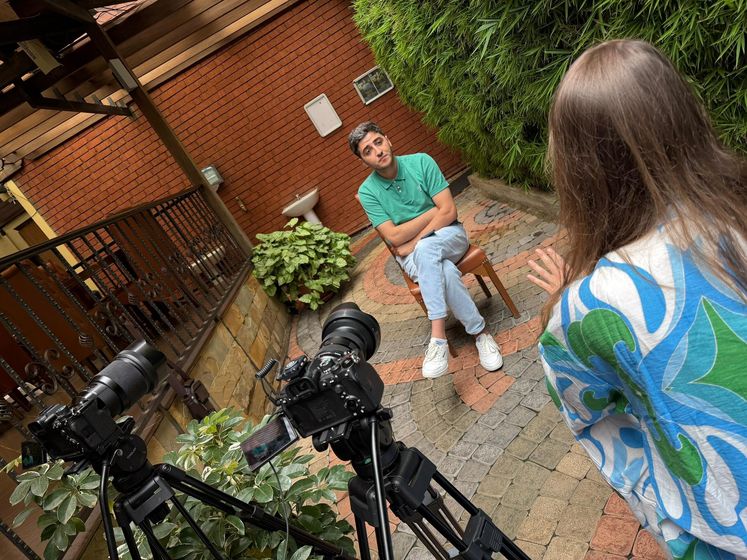
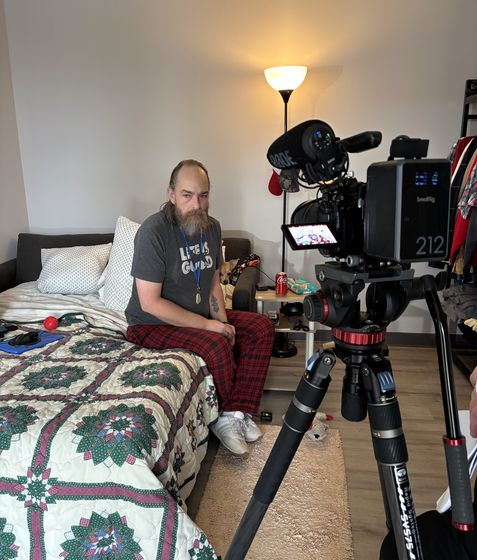
Pre-interview preparation: Spend time with your subject before the camera rolls. Understand their story arc, their comfort level, and the moments they are willing to share. This builds trust and leads to more authentic on-camera moments.
Use open-ended questions: Instead of asking "Did our program help you?" ask "Tell me about the moment things started to change for you." Open questions invite narrative responses that become the building blocks of your video.
Capture B-roll with purpose: Every cutaway shot should reinforce the story. If your subject talks about their children having a safe place to play, show the children playing. If they mention the anxiety of not knowing where their next meal would come from, show the kitchen, the empty table, the full table after your intervention.
Let silence do the work: Some of the most powerful moments in nonprofit video happen in the pauses. When a subject gets emotional, resist the urge to cut or redirect. Those genuine moments of vulnerability are what connect viewers to the cause.
Distribution: Making Sure Your Story Reaches the Right Audience
A beautifully told story means nothing if it never reaches the people who can act on it. Your distribution strategy should be built into the production plan from the beginning, not tacked on as an afterthought.
For donor acquisition, shorter cuts of 60 to 90 seconds perform best on social media platforms. For donor retention and stewardship, longer formats of three to five minutes work well in email campaigns and on your website's impact page. For board presentations and major donor meetings, the full-length version with detailed impact data serves as a powerful tool.
Consider creating multiple versions from a single shoot. One interview can yield a 90-second social cut, a three-minute email version, and a full five-minute piece — maximizing your production investment.
Measuring the Impact of Your Storytelling Videos
Track more than just views. The metrics that matter for nonprofit storytelling video include watch-through rate, click-through to donation pages, actual donation conversion within 48 hours of viewing, and social shares. A video with 1,000 views and a 15 percent donation conversion rate is far more valuable than one with 100,000 views and zero conversions.
Set up UTM parameters for every video distribution channel so you can attribute donations back to specific stories. Over time, you will learn which types of stories resonate most with your donor base and can refine your content strategy accordingly.
Frequently Asked Questions
How long should a nonprofit storytelling video be?
It depends on the platform and purpose. Social media cuts should be 60 to 90 seconds. Email and website versions work best at two to four minutes. Full-length pieces for events or major donor presentations can run five to eight minutes. The key is to create multiple cuts from a single production.
How do we get beneficiaries comfortable on camera?
Spend time building rapport before filming. Let them know they can stop at any time. Use a conversational interview style rather than formal questions. Many people open up when they feel their story will help others in similar situations.
What if we do not have budget for professional video production?
Start with what you have. A smartphone, natural lighting, and a genuine story can outperform a high-budget video that lacks emotional authenticity. As your video program proves its fundraising ROI, you can invest in professional production to increase quality and reach.
How often should we produce storytelling videos?
Aim for at least one story-driven video per quarter. Nonprofits that maintain a consistent video storytelling cadence see compounding returns in donor engagement and retention over time.
Schedule a free consultation with a nonprofit video expert
At Happy Productions, we help nonprofits use video to tell stories that drive donations, engagement, and real impact.
Schedule Free Consultation →
Explore More Resources
- Our Nonprofit Video Production Services — See how we help nonprofits tell stories that drive donations and engagement.
- Case Studies — Real results from 26+ nonprofit clients including 36M+ organic reach and 500% engagement increases.
- Fundraising Video Production — Videos designed to inspire donations and boost donor retention.
Not sure where to start?
Book a free strategy call. We'll workshop a video concept for your nonprofit — no charge, no pitch deck.
Book my free callReady to put your story on screen?
Tell us what you're working on. In 15 minutes we'll sketch the video with you — what to film, who to put on camera, and where it should run.