How to Plan a Nonprofit Video Shoot: The Complete Pre-Production Checklist
Plan your nonprofit video shoot right the first time. This pre-production checklist covers every step from strategy to shoot day so nothing falls through the cracks.
The difference between a nonprofit video that raises thousands and one that collects dust on YouTube isn't the camera. It's what happens before anyone hits record.
Pre-production is where great nonprofit videos are born. After working with 80+ nonprofit clients and reaching over 200 million viewers, we've seen the pattern over and over: the organizations that invest time in planning produce videos that drive donations, recruit volunteers, and amplify their mission. The ones that rush to shoot day end up with expensive footage they can't use.
This guide walks you through every step of planning a nonprofit video shoot, from the first strategy conversation to the morning of production day. Whether you're producing your first fundraising video or your fiftieth, use this checklist to make sure nothing falls through the cracks.
Why Pre-Production Matters More for Nonprofits
Commercial brands can afford reshoots. Most nonprofits can't. Your budget is tighter, your stakeholders are more emotionally invested, and the people in front of the camera — beneficiaries, community members, volunteers — aren't professional performers. You often get one shot to capture their authentic story.
That's why nonprofit video pre-production isn't just logistics. It's about creating the conditions where real, moving stories can emerge naturally on camera. Every decision you make before the shoot — who to interview, what questions to ask, where to film, what emotions to evoke — shapes the final product.
When pre-production is done right, shoot days run smoothly, post-production is faster, and the final video lands exactly the way you envisioned. When it's skipped or rushed, you end up with unfocused footage, missing shots, and a finished video that doesn't quite connect with your audience.
The Complete Nonprofit Video Pre-Production Checklist
Phase 1: Strategy and Foundation (6-8 Weeks Before Shoot)
Define your video's purpose and goals. Before anything else, get crystal clear on why this video exists. Is it a fundraising appeal? A volunteer recruitment tool? An awareness campaign? A donor thank-you? The answer shapes every creative decision that follows. Write a single sentence that captures the goal: "After watching this video, the viewer should feel/think/do _______."
Identify your target audience. A video for major donors looks very different from one targeting first-time volunteers. Define who's watching: their relationship to your organization, what they already know, what motivates them, and where they'll encounter the video.
Establish your budget and timeline. Be honest about what you can spend and when you need the finished product. This determines crew size, shoot days, locations, and post-production complexity. If you're working with a nonprofit video production company, share your budget range upfront so they can design the best possible project within your means.
Assemble your internal team. Designate a project lead who has decision-making authority. Too many nonprofit videos get derailed by committee feedback loops. Decide now who approves the creative direction, who handles logistics, and who has final sign-off.
Phase 2: Creative Development (4-5 Weeks Before Shoot)
Write your video brief. This is the single most important pre-production document. It captures your goals, audience, key messages, tone, distribution plan, and success metrics in one place. A strong brief aligns your entire team — and your production partner — before a single frame is shot. (Need help? Download our free Video Brief Template and fill it in with your team.)
Develop your narrative approach. Nonprofit videos work best when they tell a story, not when they list facts. Decide on your narrative structure: Will you follow a single beneficiary's journey? Weave together multiple voices? Build toward a specific emotional crescendo? The most powerful nonprofit videos create an emotional arc — they show the problem, introduce hope, and invite the viewer to be part of the solution.
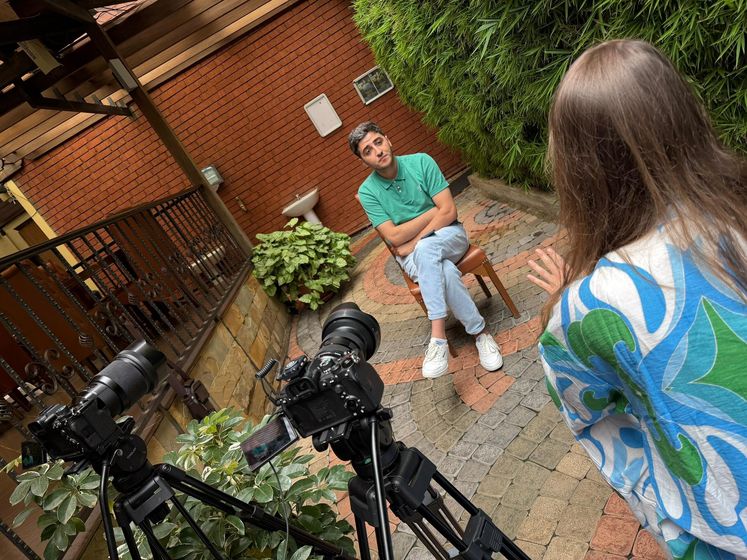
Identify and prepare your on-camera participants. This is where nonprofit video production differs most from commercial work. Your "talent" are real people sharing real experiences. Start by identifying 3-5 potential participants, then conduct pre-interviews (15-20 minutes each over phone or video call). You're listening for compelling stories, emotional authenticity, and comfort level on camera. Not everyone who has a great story is comfortable sharing it on film — and that's okay.
Create your shot list and storyboard. Even for documentary-style nonprofit videos, having a shot list ensures you capture the footage you need. Include B-roll requirements: establishing shots of your facility, action shots of your programs in operation, detail shots that bring your work to life. Storyboards don't need to be artistic — simple sketches or reference images showing the visual flow are enough.
Phase 3: Logistics and Coordination (2-3 Weeks Before Shoot)
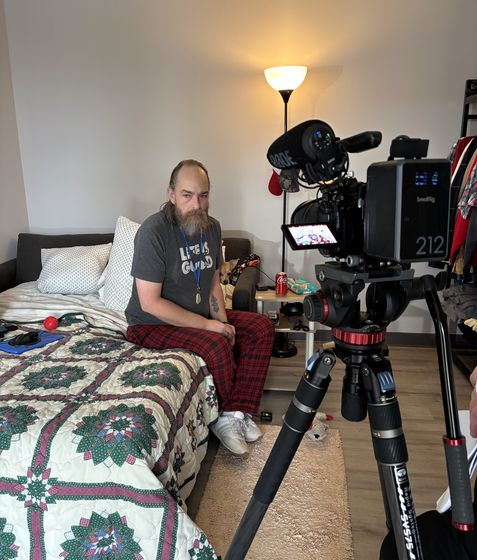
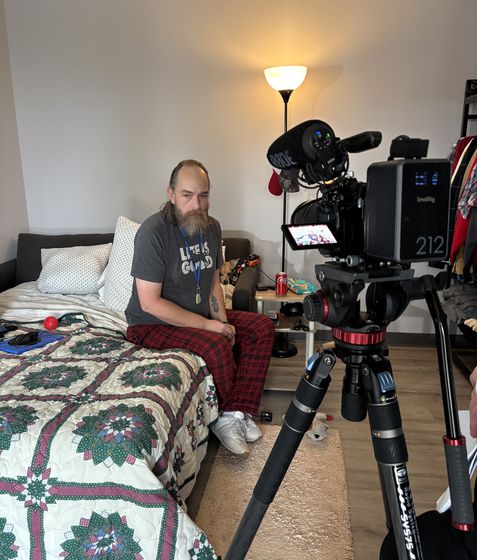
Scout and secure locations. Visit every shoot location in advance. Check for lighting conditions at the time you'll be filming, ambient noise levels, available power outlets, parking for the crew, and any visual distractions in the background. Get written permission from every location owner — don't rely on verbal agreements.
Handle releases and permissions. Every person who appears on camera needs a signed talent release form. For minors, you need parent or guardian consent. If you're filming at a partner organization's facility, get a location release. If you're featuring someone's medical story, recovery journey, or other sensitive content, work with your legal team on appropriate consent documentation.
Plan wardrobe, props, and set design. For nonprofit videos, "set design" usually means making sure the environment feels authentic and uncluttered. Remove anything distracting from the background. If participants will be on camera, suggest they wear solid colors and avoid busy patterns, logos from other organizations, or anything that could date the video quickly.
Build your detailed production schedule. Create a minute-by-minute shoot day schedule. Include setup time (usually 1-2 hours), each interview or scene with time buffers, meal breaks, location transitions, and wrap time. Share this with everyone involved at least a week in advance. Build in 30% more time than you think you need — nonprofit shoots almost always take longer than planned because of the authentic, unscripted nature of the content.
Phase 4: Final Preparations (1 Week Before Shoot)
Confirm everything in writing. Send confirmation emails to every participant, location contact, and crew member. Include the date, time, address, parking instructions, and what to expect on the day. For on-camera participants, reiterate that they don't need to memorize anything and that the conversation will be guided naturally.
Prepare interview guides (not scripts). Write open-ended questions that invite storytelling, not yes/no answers. Start with easy, comfortable questions before moving to deeper emotional territory. Have 15-20 questions prepared even if you only plan to use 8-10 — this gives you flexibility to follow the conversation where it naturally goes.
Run a technical check. If you're working with an external production team, confirm all equipment is tested and backup gear is available. If you're producing in-house, charge every battery, format every memory card, and do a test recording to verify audio and video quality. The morning of the shoot is too late to discover a dead battery or corrupted card.
Phase 5: Shoot Day Preparation
Arrive early. The production team should be on location at least 90 minutes before the first interview or scene. Use this time for final setup, lighting adjustments, and a walkthrough of the space.
Brief your participants. Spend 5-10 minutes with each person before they go on camera. Explain the process, remind them there are no wrong answers, and let them know they can pause or restart at any time. This brief human connection transforms nervous participants into natural, authentic storytellers.
Capture more than you think you need. Shoot extra B-roll. Record room tone. Get wide, medium, and close-up versions of important moments. In post-production, you'll be grateful for every extra shot — especially the unplanned moments that capture genuine emotion.
Common Pre-Production Mistakes (and How to Avoid Them)
Skipping the video brief. Without a brief, everyone on the team has a slightly different vision. That misalignment surfaces during production as confusion, wasted time, and a final product that doesn't quite work for anyone. Take the time to align before you shoot.
Over-scripting participants. Nonprofits sometimes write scripts for beneficiaries or volunteers, thinking it will save time. It backfires almost every time. Scripted delivery sounds stilted and inauthentic — exactly the opposite of what makes nonprofit video powerful. Use conversation guides, not scripts.
Underestimating audio. Bad audio ruins more nonprofit videos than bad video. If you're filming in a busy community center, a school cafeteria, or outdoors near a road, plan your audio strategy in advance. Dedicated lavalier microphones for interviews and a shotgun mic for B-roll are non-negotiable.
Not planning for post-production. Pre-production should include a rough post-production plan: who's editing, what's the turnaround, how many revision rounds, where will the video be distributed, and what formats are needed. Knowing the end state shapes the shoot.
Trying to say too much. The most common mistake nonprofits make is cramming every program, statistic, and initiative into one video. The best nonprofit videos have a single clear message. If you have three things to say, make three videos.
When to Bring in Professional Help
If your video is a major fundraising asset, a campaign centerpiece, or something that represents your organization to major donors and partners, professional production is worth the investment. A skilled nonprofit video production team brings not just technical expertise but strategic storytelling experience — they know what works because they've produced hundreds of mission-driven videos.
At Happy Productions, we've guided 80+ nonprofits through this exact process, helping organizations translate their mission into video content that drives real results. You can explore our case studies to see what thorough pre-production looks like in practice.
Your Pre-Production Checklist Summary
Here's the complete checklist at a glance for quick reference:
- Define video goals and success metrics
- Identify target audience
- Set budget and timeline
- Assign internal project lead
- Write video brief
- Develop narrative approach
- Identify and pre-interview participants
- Create shot list and storyboard
- Scout and secure locations
- Collect all signed releases
- Plan wardrobe and set details
- Build detailed production schedule
- Send written confirmations to everyone
- Prepare interview question guides
- Complete technical equipment check
- Arrive early on shoot day
- Brief participants before camera rolls
- Capture extra B-roll footage
Ready to Plan Your Next Nonprofit Video?
Great pre-production makes great videos. But if you'd rather have expert hands guiding the process from start to finish — from strategy through final delivery — we're here to help.
Book a Free Nonprofit Video Strategy Session and walk away with a custom roadmap for your next project, including budget guidance, timeline planning, and creative direction tailored to your mission.
For more nonprofit video resources and guides, visit our resource library.
Not sure where to start?
Book a free strategy call. We'll workshop a video concept for your nonprofit — no charge, no pitch deck.
Book my free callReady to put your story on screen?
Tell us what you're working on. In 15 minutes we'll sketch the video with you — what to film, who to put on camera, and where it should run.