How to Create Nonprofit Social Media Videos That Drive Engagement
How to create nonprofit social media videos that grow your audience and convert supporters, with platform-specific tips and budget-friendly strategies.
Why Social Media Video Matters for Nonprofits
Social media video is the single most effective way for nonprofits to reach new supporters in 2026. Platforms like Instagram, TikTok, LinkedIn, and Facebook prioritize video content in their algorithms, giving nonprofits an unprecedented opportunity to amplify their message without increasing ad spend.
The numbers tell the story: video posts on social media generate 48% more views than static content, and nonprofits using short-form video see 2-3x higher engagement rates on average. Yet most nonprofit organizations still rely on text posts and stock images for their social presence.
That gap between what works and what most nonprofits actually do is your opportunity.
Types of Social Media Videos Every Nonprofit Should Create
Not all social media videos require a production crew or expensive equipment. The most effective nonprofit social media videos fall into a few categories, each serving a different purpose in your content strategy.
Impact stories are short videos (60-90 seconds) featuring the people your organization serves. These are your highest-performing content because they create emotional connection. A 60-second video of a program participant sharing how your nonprofit changed their life will outperform any infographic or annual report summary.
Behind-the-scenes content shows the real work happening at your organization. Supporters want to see where their donations go. A quick walkthrough of your office, a day-in-the-life of a staff member, or footage from the field builds trust and transparency.
Educational content positions your nonprofit as a thought leader. Short explainer videos about the issues you address help attract new audiences who care about your cause but haven't discovered your organization yet.
Calls to action are direct asks — donate, volunteer, share, attend. These work best when they follow a series of value-giving content. The ratio should be roughly 4:1 — four value posts for every direct ask.
Platform-Specific Best Practices
Each social platform has different video specifications, audience expectations, and algorithmic preferences. Repurposing the same video across every platform without adaptation is one of the most common mistakes nonprofits make.
Instagram Reels perform best at 30-60 seconds with a strong hook in the first 3 seconds. Use text overlays since most viewers watch without sound. Vertical format (9:16) is required. Trending audio can boost discovery but isn't necessary for mission-driven content.
TikTok rewards authenticity over polish. Raw, unfiltered content often outperforms highly produced videos. Keep videos under 60 seconds, use native TikTok features (text, effects, stitches), and post consistently — 3-5 times per week minimum.
LinkedIn is where nonprofit decision-makers live. Videos here should be more professional in tone — thought leadership, organizational milestones, partnership announcements. Square (1:1) or landscape (16:9) format works best. Optimal length is 1-2 minutes.
Facebook still has the largest audience for nonprofits over age 35. Native video uploads get 10x more reach than YouTube links. Captions are essential — 85% of Facebook video is watched on mute. 1-3 minutes performs best.
YouTube Shorts are an emerging opportunity for nonprofits. The platform is investing heavily in short-form content, and competition in the nonprofit space is still low. Vertical format, under 60 seconds, with a clear title card in the first frame.
Creating High-Quality Video on a Nonprofit Budget
You don't need a $50,000 production budget to create compelling social media videos. Most of the highest-performing nonprofit social content is shot on smartphones.
Start with what you have. Modern smartphones shoot in 4K, which is more than sufficient for social media. Invest in two affordable accessories: a clip-on microphone ($20-50) for clear audio, and a small tripod or phone mount ($15-30) for stable shots. Good audio matters more than good video — viewers will watch a slightly shaky video with clear sound, but they'll immediately scroll past crystal-clear video with muffled or echo-heavy audio.
Lighting makes the biggest visual difference. Position your subject facing a window for natural light. Avoid overhead fluorescent lighting, which creates unflattering shadows. If you're filming outdoors, overcast days provide the most even, forgiving light.
For editing, free tools like CapCut, InShot, and Canva's video editor handle most nonprofit social media needs. These apps include text overlays, transitions, music libraries, and export options optimized for each platform.
Building a Sustainable Content Calendar
Consistency matters more than perfection. A nonprofit that posts two decent videos per week will outperform one that posts a single polished video per month. The algorithm rewards regular posting, and your audience builds habits around your content schedule.
Batch your content creation. Set aside one day per month for a filming session where you capture footage for 8-12 videos. Prepare a shot list in advance with specific topics and talking points for each video. This approach is more efficient than trying to create content ad hoc throughout the month.
Build a content mix that serves your full funnel. A simple weekly framework: Monday — impact story or testimonial. Wednesday — educational content about your issue area. Friday — behind-the-scenes or team spotlight. This gives you variety while keeping production manageable.
Measuring What Matters
Views and likes are vanity metrics. For nonprofits, the social media video metrics that actually matter are shares (which expand your reach to new audiences), saves (which signal high-value content), link clicks (which drive traffic to your donation page or website), and follower growth rate (which indicates you're attracting the right audience).
Track these monthly and compare against your own benchmarks, not industry averages. A nonprofit serving a niche community will naturally have different engagement rates than a national brand. What matters is the trend — are you improving month over month?
The most important metric of all is conversion: how many social media viewers become donors, volunteers, or advocates. Use UTM parameters on every link you share to track this in Google Analytics.
When to Invest in Professional Video Production
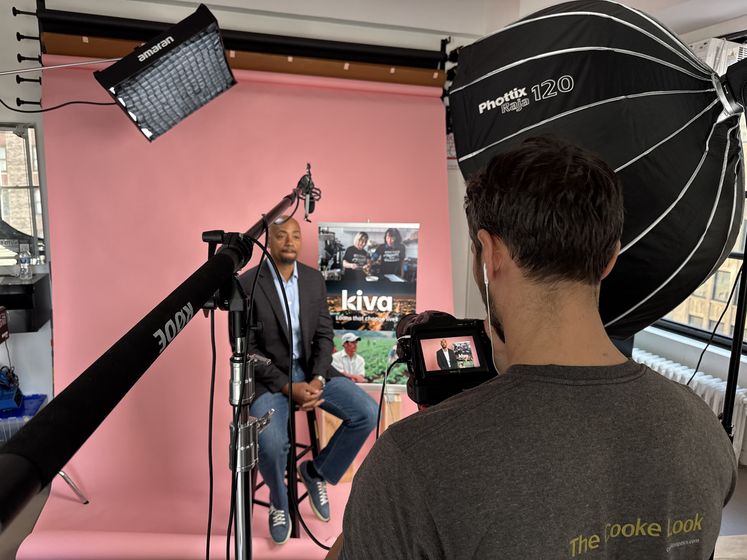
DIY social media video is a great starting point, but there are moments when professional production delivers exponentially more value. Annual campaigns, major fundraising pushes, and documentary-style content benefit from professional cinematography, editing, and storytelling expertise.
A professional production partner can also help you build a library of high-quality footage that gets repurposed into dozens of social media clips. One professional shoot day can yield 20-30 short-form videos when edited strategically — often a better ROI than months of smartphone content.
The key is finding a production partner who understands the nonprofit sector and can translate your mission into stories that move people to act. See examples of nonprofit video production that drives real results.
Frequently Asked Questions
How long should nonprofit social media videos be?
For most platforms, 30-90 seconds is the sweet spot. Instagram Reels and TikTok perform best under 60 seconds. LinkedIn and Facebook can go up to 2-3 minutes for more detailed content. Always front-load your most compelling content in the first 3 seconds.
How often should nonprofits post video on social media?
Aim for a minimum of 2-3 videos per week across your primary platform. Consistency matters more than volume. Start with a sustainable pace and increase as you build your content creation workflow.
What's the best social media platform for nonprofit video?
It depends on your audience. Instagram and TikTok reach younger demographics (18-35). Facebook reaches the most donors (35+). LinkedIn reaches organizational decision-makers and corporate partners. Start with one platform, master it, then expand.
Do nonprofit social media videos need captions?
Yes, always. 85% of social media video is watched without sound. Captions also improve accessibility for deaf and hard-of-hearing viewers. Most editing apps can auto-generate captions — just review them for accuracy before posting.
How much does professional social media video production cost?
Costs vary widely based on scope. A single professionally produced social media video can range from $500 to $5,000. However, many nonprofits get better value from ongoing production partnerships that include multiple videos per month, strategy support, and content repurposing. Get a custom quote for your nonprofit.
Schedule a free consultation with a nonprofit video expert
At Happy Productions, we help nonprofits use video to tell stories that drive donations, engagement, and real impact.
Schedule Free Consultation →
Explore More Resources
- Our Nonprofit Video Production Services — See how we help nonprofits tell stories that drive donations and engagement.
- Case Studies — Real results from 26+ nonprofit clients including 36M+ organic reach and 500% engagement increases.
- Fundraising Video Production — Videos designed to inspire donations and boost donor retention.
Not sure where to start?
Book a free strategy call. We'll workshop a video concept for your nonprofit — no charge, no pitch deck.
Book my free callReady to put your story on screen?
Tell us what you're working on. In 15 minutes we'll sketch the video with you — what to film, who to put on camera, and where it should run.