The Center for Mind-Body Medicine is a nonprofit founded by Dr. James S. Gordon that trains health and helping professionals to use mind-body skills for trauma recovery. Its work reaches war zones like Gaza and Ukraine, Haiti, a state prison system, public schools and rural communities like Western Maryland, where its model started at a community college and spread to the whole county.
Give a small team one clear way to explain a global body of work. CMBM needed videos it could send to funders and partners, put on its website and use in government concept notes, without a stack of attachments. In Randi Mitev's words, the goal was to tell the story "at the highest level so that if someone felt connected to it, they would immediately want to learn more."
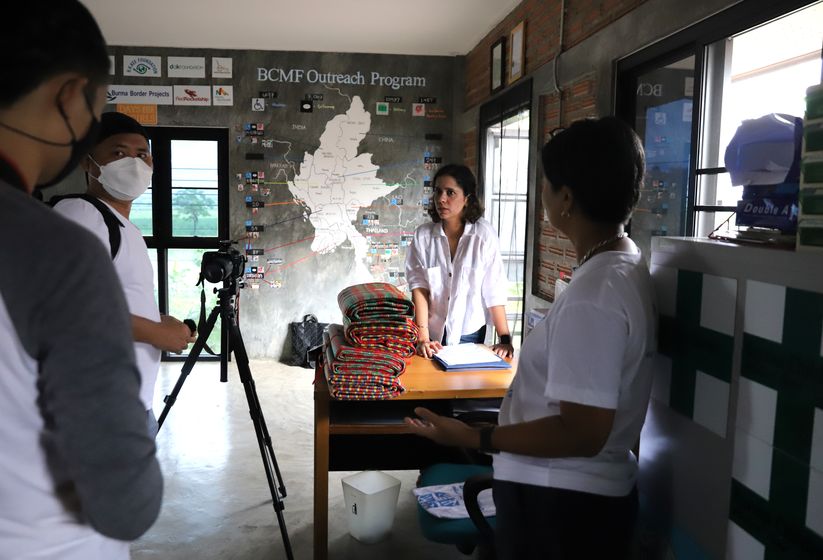
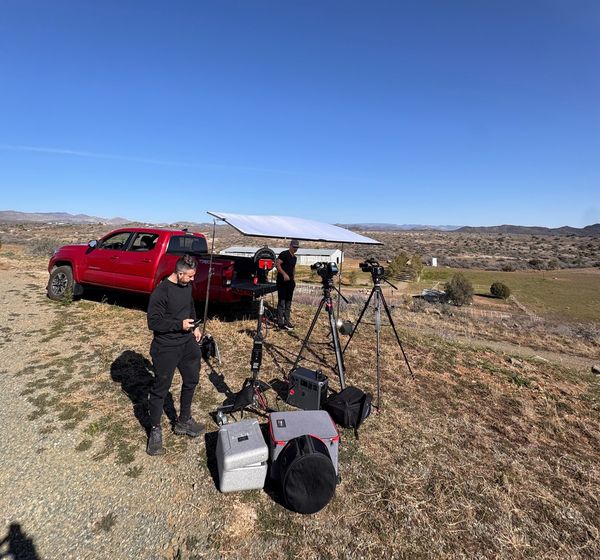
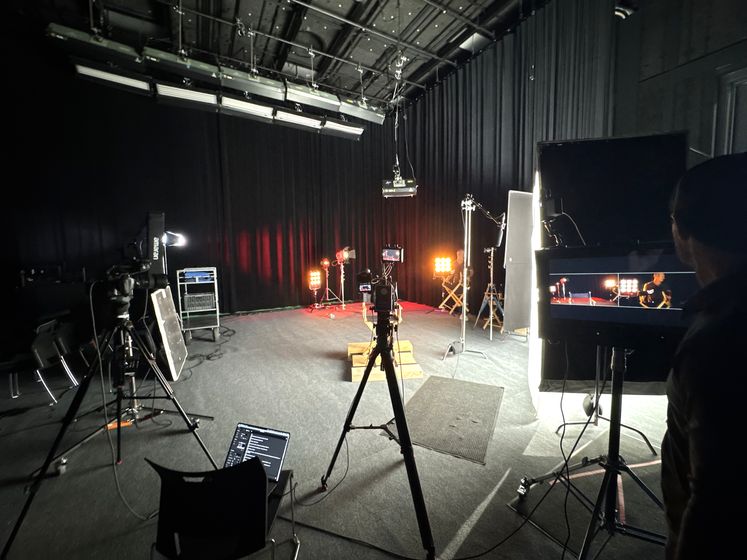
A three-month engagement: one production day plus unlimited edits, produced by Nick Reis. We scripted the About Us story with CMBM before filming, then shot the final day of a Train-the-Trainer cohort in Cumberland, Maryland with a local videographer: 16 interviews with trainees, faculty, a state police crime scene technician, and local college and school leaders. We recorded remote interviews with founder Dr. James S. Gordon and COO Randi Mitev, and cut in CMBM's own archive footage from Gaza, Ukraine and more. CMBM staff voiced the films, and we blended two voices on the long cut. Every cut ends on CMBM's logo and URL, and the flagship films were recut as vertical 9:16 versions for social.
Every CMBM reviewer approved the flagship film. “It's really good. And we're so appreciative of the wonderful work you and your team did,” Randi wrote. She screened it for the full CMBM staff, shared Happy Productions' work with other organizations at the Clinton Global Initiative summit in New York, and rated us 10 out of 10. CMBM now has “a series, a slew of videos that we can send to funders... send to partners, we can put on the website,” and the Allegany film backs up its concept notes to government funders. Next up: the film goes on CMBM's redesigned homepage and into its year-end giving emails. Her advice to anyone on the fence: “If they get you, I would tell them they're lucky.”
The Center for Mind-Body Medicine has spent 35 years teaching mind-body skills for trauma recovery. Its programs run in Gaza, Ukraine, Haiti, a state prison system, public schools and rural Appalachia. That is the problem. Every program is its own story, so every pitch to a funder turned into a stack of links.
“It's very hard for a nonprofit to sort of summarize or succinctly say what they do and the impact that they're making,” says Randi Mitev, CMBM's Chief Operating Officer. “We are a very small team. And we do work across the globe. I constantly say we're small but mighty.” What she wanted was the story told “in a more succinct way that didn't require attachment after attachment or a selection of videos or a selection of blog articles.”
We built the script with CMBM's team before anyone picked up a camera. Then we spent one production day in Cumberland, Maryland, filming the final day of a Train-the-Trainer cohort: 16 interviews in one day, with trainees, faculty, a state police crime scene technician and local college and school leaders. We added remote interviews with founder Dr. James S. Gordon and with Randi, and cut in CMBM's own field footage from Gaza, Ukraine and beyond, so one Maryland room opens onto the whole world.
CMBM's own staff voiced the films. When the first voiceover felt flat, we blended two voices on the long cut. When the Gaza Country Director was missing, we swapped him in. When Randi asked for the website on every end card, it went on every video. “If there was anything that got missed, it got fixed,” she said. “I never felt that anything was left undone or unattended to.”
CMBM walked away with a flagship About Us film, a short version, an Allegany County community case study, vertical cuts for social and a set of individual interview stories. Randi screened the film for her whole staff, shared our work at the Clinton Global Initiative summit in New York, and rated us 10 out of 10. Her words on what it does: “It allowed us to tell our story at the highest aspirational way and to show how this medium-sized nonprofit has a true global impact in a way that is impressive, that is meaningful, and that is also tangible.”
The people who commissioned this campaign, on camera and unscripted.
Screens from the feeds this work was made for.
Answer four questions and we'll email you the plan that fits — what we'd film for your programs, how often, and how that compares to an agency or a full-time hire. No sales call required.